
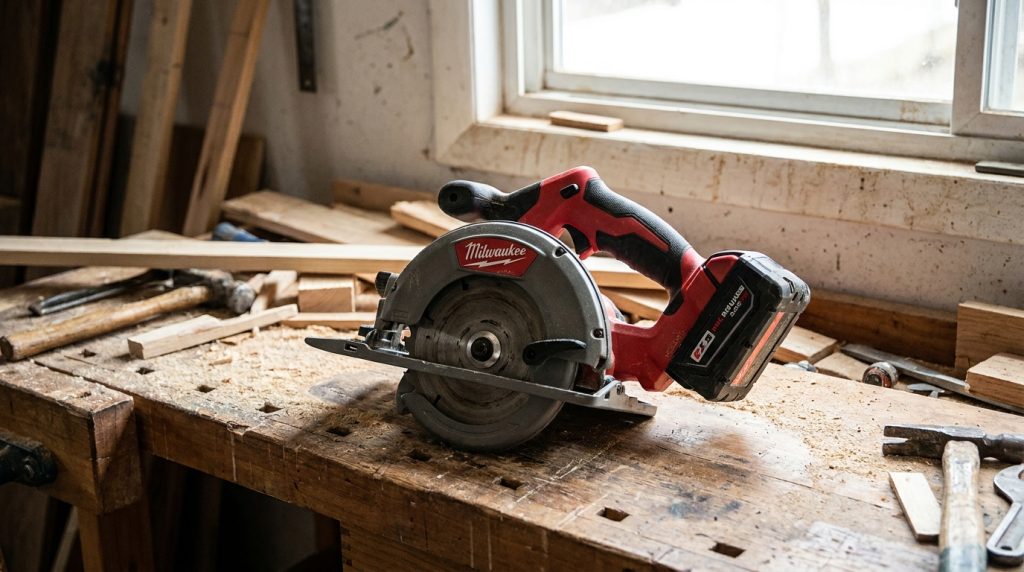
If you’re asking, “Which Milwaukee saw should you buy?” the right answer depends on what you cut most, where you work, how often you use the tool, and whether you’re already invested in Milwaukee M12 or M18 batteries. For contractors, maintenance crews, farms, fabrication shops, municipalities, and serious DIY users around Coldwater, Branch County, and Southern Michigan, Milwaukee saws are popular because they combine jobsite durability, strong cordless performance, and a deep lineup of cutting tools for wood, metal, PVC, conduit, demo work, and specialty applications.
At CEM Industrial Supply, we look at saw selection the same way we look at any industrial equipment purchase: match the tool to the application first, then choose the battery platform, blade, accessories, and safety gear that support that work. A great saw with the wrong blade or undersized battery will disappoint. The right combination will save time, reduce fatigue, improve cut quality, and last longer.
If you need a fast recommendation, start here.
| Application | Best Milwaukee Saw Type | Best For | Notes |
|---|---|---|---|
| General carpentry and framing | Milwaukee M18 FUEL Circular Saw | Lumber, plywood, OSB, framing | Choose a 6-1/2″ model for lighter weight or a 7-1/4″ model for maximum cutting capacity |
| Heavy framing and ripping | Milwaukee M18 FUEL Rear Handle Circular Saw | Long rip cuts, LVL, framing lumber | Delivers excellent power and improved line of sight for many users |
| Demolition and remodeling | Milwaukee SAWZALL Reciprocating Saw | Studs, pipe, nails, demolition | Pair with demolition blades for cutting wood and metal |
| One-handed cutting | Milwaukee HACKZALL Reciprocating Saw | Tight spaces, conduit, pipe, maintenance | Ideal for HVAC, plumbing, and facility maintenance |
| Fine curved cuts | Milwaukee Jigsaw | Trim work, sheet goods, curves, cutouts | Use the appropriate T-shank blade for the material |
| Jobsite crosscuts and trim | Milwaukee Miter Saw | Framing, finish carpentry, repetitive angle cuts | Excellent for accurate, repeatable cuts |
| Sheet goods and ripping | Milwaukee Table Saw | Plywood, dimensional lumber, rip cuts | Best for straight, consistent cuts on the jobsite |
| Metal fabrication | Milwaukee Band Saw or Metal-Cutting Circular Saw | Pipe, tubing, strut, angle iron, threaded rod | Produces cleaner cuts with fewer sparks than abrasive saws |
| Outdoor property maintenance | Milwaukee Chainsaw or Pruning Saw | Limbing, storm cleanup, property maintenance | Well suited for farms, municipalities, and maintenance crews |
For most users buying their first Milwaukee saw, an M18 FUEL circular saw is the best all-around choice. If you do demolition, add a Milwaukee SAWZALL. If you work in maintenance, plumbing, HVAC, or electrical, a HACKZALL or compact band saw may be more useful than a circular saw.
If you’re considering purchasing a Milwaukee saw, you might also find it helpful to read about the importance of maintaining your tools to ensure their longevity and performance. A related article that discusses electric motor repair and maintenance can provide valuable insights into keeping your equipment in top shape. You can check it out here: Electric Motor Repair in Coldwater, MI. This resource will help you understand how proper maintenance can enhance the efficiency of your Milwaukee saw and other power tools.
Start with the Material: What Are You Cutting?
The biggest mistake buyers make is choosing a saw based on popularity instead of material. A Milwaukee saw that is perfect for framing lumber may be the wrong tool for conduit, stainless tubing, PVC, or demolition work.
Wood, Framing Lumber, Plywood, and OSB
For wood construction, the main Milwaukee saw choices are:
- Circular saw
- Rear handle circular saw
- Miter saw
- Table saw
- Jigsaw
- Reciprocating saw for rough cuts and demolition
A Milwaukee circular saw is the most versatile option for framing, decking, agricultural building repairs, shipping crate work, and general construction. If your team cuts 2x lumber, plywood, OSB, and treated boards, start there.
A miter saw is better for repeated crosscuts, trim, studs, and accurate angles. A table saw is better for ripping sheet goods and making consistent width cuts.
Metal, Pipe, Strut, and Threaded Rod
For metal cutting, Milwaukee offers several good choices, but the right tool depends on the cut quality you need.
Common options include:
- Milwaukee band saw
- Milwaukee compact band saw
- Milwaukee deep cut band saw
- Milwaukee metal-cutting circular saw
- Milwaukee SAWZALL with metal blades
- Milwaukee cut-off saw or grinder for certain applications
A band saw is usually the cleaner, safer choice for conduit, pipe, tubing, strut, and threaded rod. It produces less sparking than abrasive wheels and usually leaves a cleaner edge.
A reciprocating saw can cut metal, but it is rougher and more blade-dependent. It shines when the material is already installed and you need access in tight spaces.
Demolition, Remodeling, and Maintenance
For demolition, the Milwaukee SAWZALL is the standard choice. It handles:
- Nail-embedded wood
- Pipe
- PVC
- Drywall openings
- Old framing
- Pallets and crates
- General teardown work
For maintenance crews in schools, factories, farms, warehouses, and municipal facilities around Southern Michigan, a SAWZALL is one of the most useful tools in the truck.
PVC, Conduit, and Light Utility Cutting
For PVC, EMT conduit, PEX, light pipe, and smaller cuts, consider:
- Milwaukee HACKZALL
- Compact band saw
- PVC shear/cutter where applicable
- SAWZALL for larger or rougher cuts
The HACKZALL is popular because it is compact and one-handed. It is not always the fastest saw, but it is easy to control in tight mechanical rooms, crawl spaces, service trucks, and plant maintenance environments.
Milwaukee Battery Platforms: M12 vs. M18
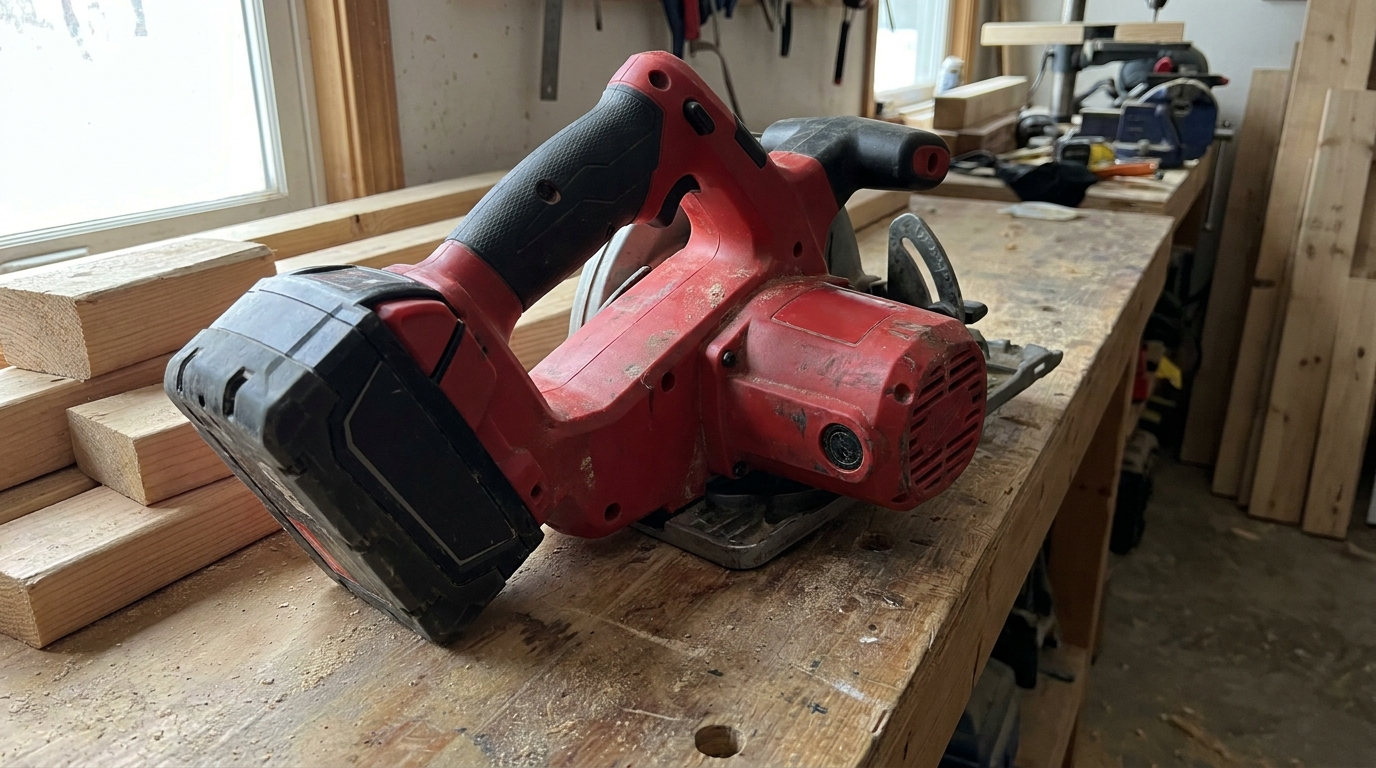
Milwaukee’s cordless saw lineup is mainly split between M12 and M18. Choosing the platform matters because batteries, chargers, runtime, and tool performance all affect your daily productivity.
Milwaukee M12 Saws
M12 tools are compact and lightweight. They are ideal for service technicians, maintenance work, lighter-duty cutting, overhead work, and tight spaces.
Best for:
- Electrical service
- HVAC
- Plumbing
- Facility maintenance
- Light-duty carpentry
- Punch-list work
- Compact tool bags
Advantages:
- Lightweight
- Easier to carry
- Good for tight access
- Less fatigue
- Excellent for service calls
Limitations:
- Less power than M18
- Shorter runtime under heavy load
- Not ideal for full-time framing or heavy demolition
Milwaukee M18 Saws
M18 is the platform most contractors and industrial users choose when performance matters. M18 FUEL tools, in particular, are designed for high output, brushless efficiency, and demanding jobsites.
Best for:
- Construction
- Framing
- Demolition
- Metal cutting
- Industrial maintenance
- Farm and facility repair
- Heavy use
Advantages:
- More power
- Better runtime with larger battery packs
- Broader selection of saws
- Better for production work
- Strong choice for jobsite crews
Limitations:
- Heavier than M12
- Higher initial investment
- Larger batteries may be overkill for light-duty tasks
Should You Buy M12 or M18?
If you already own Milwaukee batteries, stay within that platform unless you have a strong reason to switch. If you are starting fresh, choose M18 for construction, demolition, and heavy industrial work. Choose M12 for compact service work.
For many professional users in Branch County, the best setup is both: M18 for heavy cutting and M12 for service work.
Please visit our latest post at https://cemindustrialsupply.com/news/ for more information.
Milwaukee Circular Saws: Which One Should You Choose?
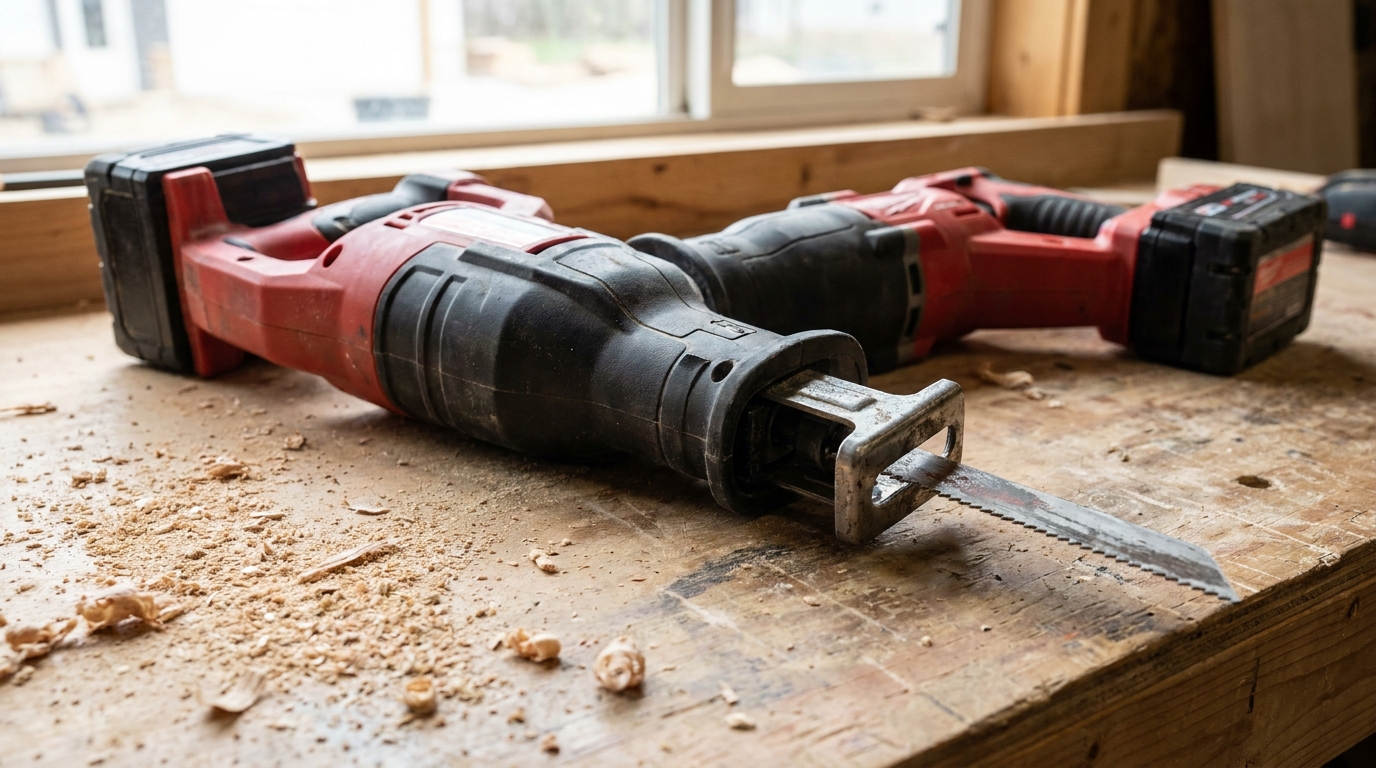
A Milwaukee circular saw is often the first saw professionals consider because it handles so many common cutting tasks.
6-1/2″ Milwaukee Circular Saw
A 6-1/2″ circular saw is a strong choice for users who want a balance of cutting capacity and lower weight.
Best for:
- Plywood
- OSB
- 2x lumber
- Deck boards
- General carpentry
- Maintenance shops
- Farm repairs
Why buy it:
- Easier to handle than larger saws
- Good runtime
- Lighter for all-day work
- Great for most common jobsite cuts
Consider it if you want one versatile Milwaukee saw for general use.
7-1/4″ Milwaukee Circular Saw
A 7-1/4″ saw is closer to a traditional full-size circular saw. It provides more cutting depth and works with widely available blades.
Best for:
- Framing crews
- Contractors
- Deck builders
- Remodelers
- Users replacing a corded saw
Why buy it:
- Full-size cutting capacity
- Strong performance
- Common blade size
- Better for thicker material
Choose this if you need maximum versatility in wood cutting and want a cordless saw that feels more like a professional corded model.
Milwaukee Rear Handle Circular Saw
Rear handle saws are popular with framers because of their balance, power, and cutting line visibility. They are excellent for long rips, heavy framing, and production work.
Best for:
- Framing
- Timber work
- Long rip cuts
- LVL and engineered lumber
- Heavy-duty carpentry
Why buy it:
- Excellent control on long cuts
- Strong cutting performance
- Preferred by many professional framers
- Better ergonomics for certain cutting positions
This is not the smallest or lightest option, but if you cut lumber all day, it may be the right Milwaukee saw to buy.
Sidewinder vs. Rear Handle Circular Saw
| Feature | Sidewinder Circular Saw | Rear Handle Circular Saw |
|---|---|---|
| Weight | Usually lighter | Usually heavier |
| Balance | Compact and easy to maneuver | Longer body with excellent control |
| Best Use | General carpentry, sheet goods, everyday cutting | Framing, long rip cuts, and heavy-duty applications |
| Learning Curve | Familiar to most users | May require some adjustment for new users |
| Portability | Easier to carry and transport | Bulkier and heavier to handle |
| Power Feel | Strong, responsive cutting performance | Delivers a higher-torque feel for demanding cuts |
For most general users, a sidewinder-style Milwaukee circular saw is the better first purchase. For framers and heavy construction crews, a rear handle saw is worth the upgrade.
When considering which Milwaukee saw to buy, it’s also important to think about the accessories you’ll need, such as grinding discs. A related article discusses the hidden costs associated with inexpensive grinding discs and how they can impact your overall project budget. You can read more about this topic in the article here, which provides valuable insights for anyone looking to make informed purchasing decisions.
Milwaukee SAWZALL vs. HACKZALL: What’s the Difference?
Milwaukee essentially created the reciprocating saw category with the SAWZALL name, and it remains one of the most recognized tools in demolition and service work.
Milwaukee SAWZALL
A SAWZALL reciprocating saw is designed for two-handed use and heavier cutting. It is the tool you grab when precision is less important than getting through tough material quickly.
Best for:
- Demolition
- Nail-embedded wood
- Pipe removal
- Pallet cutting
- Framing modifications
- Storm cleanup
- General teardown
Advantages:
- Powerful
- Versatile
- Works with many blade types
- Excellent for rough cuts
- Great for renovation and industrial maintenance
Limitations:
- Less precise than circular saws or band saws
- Can vibrate more depending on material and blade
- Requires good blade selection
Milwaukee HACKZALL
The HACKZALL is a compact, one-handed reciprocating saw. It is not simply a smaller SAWZALL; it is a different tool for different work.
Best for:
- Tight spaces
- Overhead cuts
- PVC
- Conduit
- Small pipe
- Light demolition
- Service technicians
Advantages:
- One-handed operation
- Compact size
- Easy to carry
- Great for maintenance and repair
- Useful in mechanical and electrical work
Limitations:
- Not ideal for heavy demolition
- Slower on large material
- Shorter stroke length than full-size reciprocating saws
Which One Should You Buy?
Buy a SAWZALL if you do demolition, remodeling, construction, or heavy maintenance. Buy a HACKZALL if you work in tight areas, do service calls, or cut smaller materials frequently.
Many industrial users eventually own both.
Milwaukee Saws for Metal Cutting
Metal cutting is where tool selection really matters. Using the wrong saw can create excessive sparks, rough edges, short blade life, and safety issues.
Milwaukee Band Saw
A Milwaukee band saw is one of the best choices for clean metal cuts. It is commonly used by electricians, plumbers, mechanical contractors, fabricators, and maintenance crews.
Best for:
- EMT conduit
- Rigid conduit
- Strut
- Threaded rod
- Pipe
- Tubing
- Angle iron
- Small structural material
Advantages:
- Cleaner cuts
- Less sparking than abrasive cutting
- Better control
- Good for installed material
- Useful for repetitive metal cutting
Compact vs. Deep Cut Band Saw
| Saw Type | Best For | Why Choose It |
|---|---|---|
| Compact Band Saw | EMT, strut, small pipe, threaded rod | Lightweight, portable, and easy to maneuver |
| Deep Cut Band Saw | Larger pipe, tubing, structural steel, heavier stock | Greater cutting capacity for larger materials |
| Sub-Compact Band Saw | One-handed use, overhead work, tight spaces | Ideal for service technicians and maintenance professionals |
If you cut conduit or strut regularly, a compact band saw is often one of the best Milwaukee saws you can buy.
Milwaukee Metal-Cutting Circular Saw
A metal-cutting circular saw is useful when you need straight cuts in sheet metal, plate, angle, or certain structural materials. Unlike a wood circular saw, it is designed for metal cutting with appropriate RPM, guarding, and chip control.
Best for:
- Sheet metal
- Metal panels
- Angle
- Flat stock
- Fabrication work
- Industrial maintenance
Use the proper metal-cutting blade and follow Milwaukee’s instructions for material thickness and application.
Reciprocating Saw for Metal
A SAWZALL can cut metal with the right blade, especially when the material is already installed or hard to access. It is less clean than a band saw but highly versatile.
Use it for:
- Removing old pipe
- Cutting bolts
- Demoing metal framing
- Cutting mixed material
- Emergency repairs
For best results, match blade teeth per inch, length, and material rating to the work.
Milwaukee Miter Saws, Table Saws, and Specialty Saws
Not every saw should be handheld. If your work requires accuracy and repeated cuts, a bench or stand-mounted tool may be better.
Milwaukee Miter Saw
A Milwaukee cordless miter saw is a smart choice for trim carpenters, remodelers, cabinet installers, deck builders, and general contractors.
Best for:
- Crosscuts
- Miter cuts
- Bevel cuts
- Trim
- Studs
- Decking
- Repeated cuts
Advantages:
- Accurate
- Fast for repeat work
- Portable compared to shop equipment
- Great for jobsites without reliable power
If your work involves finish carpentry or repeated framing cuts, a miter saw will outperform a circular saw for accuracy and consistency.
Milwaukee Table Saw
A Milwaukee table saw is ideal for ripping sheet goods and dimensional lumber on the jobsite.
Best for:
- Plywood ripping
- Trim stock
- Cabinet panels
- Shelving
- Framing material
- Consistent width cuts
A table saw is not the first saw every user needs, but it is invaluable when straight, repeatable cuts matter.
Milwaukee Jigsaw
A jigsaw is the right tool for curves, notches, sink cutouts, templates, and finish work.
Best for:
- Curved cuts
- Interior cutouts
- Laminate
- Plywood
- Trim work
- Pattern cutting
Use fine-tooth blades for clean cuts and aggressive blades for faster rough cuts.
Milwaukee Chainsaw and Pruning Saws
For farms, property managers, municipalities, and facilities in Southern Michigan, Milwaukee outdoor cutting tools can be useful for storm cleanup, tree limbs, and site maintenance.
Best for:
- Limbing
- Small tree removal
- Fence line cleanup
- Storm debris
- Grounds maintenance
These tools are not replacements for professional forestry saws in every situation, but they are convenient for many property maintenance tasks.
How to Choose the Right Milwaukee Saw: Practical Buying Guide
Before buying, answer these questions.
1. What Do You Cut Most Often?
Choose based on the primary material:
- Framing lumber: circular saw or rear handle saw
- Demolition: SAWZALL
- Conduit and strut: band saw
- Trim: miter saw and jigsaw
- Plywood ripping: table saw or circular saw with guide
- PVC and light pipe: HACKZALL
- Metal sheet or plate: metal-cutting circular saw
2. How Often Will You Use It?
For occasional work, a compact saw may be enough. For daily jobsite use, step up to M18 FUEL.
Light use:
- M12 saws
- Compact circular saw
- HACKZALL
- Jigsaw
Heavy use:
- M18 FUEL circular saw
- Rear handle circular saw
- SAWZALL
- Deep cut band saw
- Miter saw
- Table saw
3. Do You Need Portability or Production?
Portability favors compact cordless saws. Production favors bigger tools with more cutting capacity and longer runtime.
Choose portable if you:
- Work from a service truck
- Move between job sites
- Cut overhead
- Work in tight spaces
- Need a light tool bag setup
Choose production if you:
- Cut all day
- Make repeated cuts
- Need accuracy
- Work with heavy material
- Run crews
4. What Battery Size Should You Use?
For saws, battery size matters. Smaller packs reduce weight but may limit runtime and power under load. Larger packs provide better performance but add weight.
General guidance:
- M12 compact saws: use higher-capacity M12 batteries for better runtime
- M18 circular saws: use high-output batteries for demanding cuts
- M18 SAWZALL: larger packs help in demolition
- M18 table saws and miter saws: use high-output batteries for best performance
If your crew works long days in Coldwater, Quincy, Bronson, Union City, or throughout Branch County, having extra charged batteries is just as important as choosing the saw itself.
5. Are You Buying Tool-Only or Kit?
Tool-only is best if you already own compatible batteries and chargers. A kit is better if you are starting fresh or need more batteries.
Buy tool-only if:
- You already use Milwaukee M18 or M12
- You have enough batteries
- You want to reduce upfront cost
Buy a kit if:
- You are new to Milwaukee
- You need a charger
- You want matched battery performance
- You are outfitting a truck or crew
Milwaukee Saw Blade Selection: The Tool Is Only Half the Cut
A premium saw with the wrong blade performs poorly. Blade selection affects cut speed, smoothness, safety, and tool life.
Circular Saw Blades
For wood circular saws:
- Framing blade: faster cuts, rougher finish
- Fine finish blade: cleaner cuts, slower feed
- Plywood blade: reduced tear-out
- Composite or specialty blade: for engineered materials
For metal-cutting circular saws:
- Use blades specifically rated for metal
- Match the blade to ferrous or non-ferrous material
- Never use a wood blade on metal
- Confirm RPM compatibility
Reciprocating Saw Blades
For a SAWZALL or HACKZALL:
- Wood blades: fast cutting in lumber
- Nail-embedded wood blades: demolition
- Metal blades: pipe, conduit, bolts
- Carbide blades: tougher materials and longer life
- Pruning blades: limbs and green wood
Blade length should be long enough to cut through the material without bottoming out, but not so long that it flexes excessively.
Band Saw Blades
For band saws:
- Match blade width and length to the saw
- Choose tooth count based on material thickness
- Use finer teeth for thinner metal
- Use coarser teeth for thicker stock
- Let the saw do the work; forcing it shortens blade life
CEM Industrial Supply can help match saw blades and cutting accessories to your Milwaukee saw and your material, whether you’re cutting wood, steel, conduit, PVC, or jobsite mixed material.
Safety Tips for Milwaukee Saws
Saws are everyday tools, but they deserve respect. Most injuries come from rushing, using the wrong blade, poor support, or bypassing guards.
Personal Protective Equipment
Use the right PPE for the work:
- Safety glasses or face shield
- Hearing protection
- Cut-resistant gloves where appropriate
- Dust mask or respirator when cutting dusty material
- Work boots
- Long sleeves for metal chips and sparks
- Hard hat on active jobsites
CEM Industrial Supply supports industrial safety needs with PPE, eye protection, gloves, hearing protection, and jobsite supplies for crews throughout Southern Michigan.
Safe Cutting Practices
Follow these basic rules:
- Read the tool manual before use
- Inspect the saw before each shift
- Use the correct blade for the material
- Confirm blade direction
- Secure the workpiece
- Keep hands away from the cut line
- Let the blade reach full speed before cutting
- Do not force the saw
- Wait for the blade to stop before setting the tool down
- Remove batteries before changing blades or servicing the tool
Kickback Prevention
Kickback can happen with circular saws, table saws, and chainsaws. Reduce risk by:
- Keeping blades sharp
- Supporting both sides of the cut properly
- Avoiding twisted or pinched cuts
- Maintaining a firm grip
- Standing to the side of the cut path
- Using riving knives, guards, and anti-kickback features when provided
- Never defeating safety mechanisms
Metal Cutting Safety
When cutting metal:
- Watch for hot chips
- Keep flammables away
- Use eye and face protection
- Secure round material to prevent rolling
- Let cut pieces cool before handling
- Use blades rated for the material
- Avoid using wood-cutting tools on metal unless the tool is designed for it
Maintenance Tips to Extend Milwaukee Saw Life
Milwaukee saws are built for professional use, but maintenance still matters. A few minutes of care can prevent downtime.
Daily or Before-Use Checklist
Before using your saw:
- Check the blade for cracks, missing teeth, or dullness
- Confirm blade is tight and installed correctly
- Inspect guards and moving parts
- Check battery contacts
- Look for loose fasteners
- Confirm the shoe/base is straight
- Test trigger and brake function
- Clear dust and debris from vents
- Make sure blades match the material
After-Use Maintenance
After the job:
- Remove dust and chips
- Wipe down the tool
- Store blades safely
- Remove battery for storage
- Charge batteries in a dry, protected location
- Keep tools out of standing water, mud, and freezing moisture
- Store saws in cases or organized job boxes when possible
Battery Care
For Milwaukee cordless saws:
- Use genuine Milwaukee batteries and chargers
- Avoid overheating batteries
- Let hot batteries cool before charging
- Keep contacts clean
- Store batteries dry
- Rotate batteries so one pack is not overused
- Use higher-output packs for high-demand saws
Cold Michigan winters can affect battery performance. If you’re working in unheated barns, service trucks, or outdoor sites, keep spare batteries protected from extreme cold when possible.
Best Milwaukee Saw Setups by User Type
For General Contractors
Recommended setup:
- M18 FUEL circular saw
- M18 FUEL SAWZALL
- M18 miter saw
- Jigsaw
- Extra high-output batteries
- Framing, finish, and demo blades
This combination covers framing, remodeling, trim, and demolition.
For Industrial Maintenance Teams
Recommended setup:
- M18 SAWZALL
- M12 or M18 HACKZALL
- Milwaukee band saw
- Metal-cutting blades
- PPE and jobsite lighting
- Extra batteries and chargers
Maintenance departments need versatility. A SAWZALL and band saw combination covers many plant, facility, and repair tasks.
For Electricians
Recommended setup:
- Compact band saw
- HACKZALL
- M18 or M12 platform depending on workload
- Conduit and strut blades
- Jobsite storage and PPE
For EMT, threaded rod, and strut, a band saw is usually a better daily tool than a reciprocating saw.
For Plumbers and HVAC Technicians
Recommended setup:
- HACKZALL
- SAWZALL
- Compact band saw
- PVC, metal, and demolition blades
- Work lights and gloves
Compact size matters in mechanical rooms, basements, crawl spaces, and service vans.
For Farmers and Property Owners
Recommended setup:
- M18 circular saw
- SAWZALL
- Chainsaw or pruning saw
- Extra batteries
- Assorted blades
Farms around Branch County often need tools for fence repair, barn maintenance, equipment-related cutting, pallets, lumber, and storm cleanup.
For Woodworkers and Finish Carpenters
Recommended setup:
- M18 miter saw
- Jigsaw
- Circular saw with fine finish blades
- Table saw if ripping sheet goods
- Dust control accessories
Accuracy and blade quality matter more than raw power for finish work.
Comparison: Milwaukee Saw Types at a Glance
| Milwaukee Saw Type | Precision | Power | Portability | Best Material | Best User |
|---|---|---|---|---|---|
| Circular Saw | Medium | High | High | Wood, plywood, sheet goods | Contractors, carpenters, maintenance crews |
| Rear Handle Circular Saw | Medium | Very high | Medium | Framing lumber, engineered wood | Framers, construction professionals |
| SAWZALL Reciprocating Saw | Low to medium | High | High | Wood, metal, pipe, demolition materials | Remodelers, demolition crews, maintenance technicians |
| HACKZALL Reciprocating Saw | Medium | Medium | Very high | PVC, conduit, pipe, light demolition | Service technicians, HVAC, plumbing, electricians |
| Band Saw | High | Medium to high | High | Metal pipe, tubing, strut, threaded rod | Electricians, fabricators, maintenance professionals |
| Miter Saw | Very high | High | Medium | Lumber, trim, molding, framing | Carpenters, finish carpenters, contractors |
| Table Saw | Very high | High | Medium to low | Plywood, dimensional lumber, sheet goods | Woodworkers, cabinet makers, contractors |
| Jigsaw | High (for curved cuts) | Medium | High | Wood, laminate, plastic, cutouts | Finish carpenters, installers, DIYers |
| Chainsaw | Low to medium | High | High | Trees, limbs, logs | Property owners, landscapers, maintenance crews |
Common Buying Mistakes to Avoid
Buying Too Small
Compact tools are convenient, but if you cut heavy material every day, an undersized saw will slow you down. For production work, choose M18 FUEL and appropriate high-output batteries.
Buying Too Large
A heavy rear handle saw may be overkill for light maintenance or occasional plywood cuts. Bigger is not always better if fatigue and control suffer.
Ignoring Blade Cost
Blades are consumables. Budget for quality blades, especially if cutting metal, nail-embedded wood, or abrasive materials.
Using One Blade for Everything
A general-purpose blade is fine for occasional work, but professionals should carry blades for specific materials. The correct blade improves speed, safety, and finish.
Forgetting Dust and Chip Control
Cutting creates dust, chips, sparks, and debris. Plan for cleanup, PPE, dust extraction where needed, and safe work areas.
Not Having Enough Batteries
A cordless saw is only productive if you have charged batteries ready. For crews, consider multiple chargers and a battery rotation system.
Local Support in Coldwater, Branch County, and Southern Michigan
For contractors, manufacturers, farms, municipalities, schools, and maintenance departments in Coldwater and the surrounding Branch County area, local support matters. When a tool goes down or a crew needs blades, PPE, anchors, abrasives, fasteners, or jobsite supplies, waiting days can cost more than the tool itself.
CEM Industrial Supply supports industrial and construction customers with practical product knowledge and access to essential categories such as:
- Power tools and cordless tools
- Saw blades and cutting accessories
- Abrasives and grinding supplies
- PPE and safety equipment
- Fasteners and anchors
- Material handling supplies
- Shop and maintenance supplies
- Jobsite essentials
If you are standardizing your crew on Milwaukee tools, CEM can help you think through saw selection, battery platforms, blade inventory, safety gear, and consumables so your team is not slowed down by mismatched equipment.
Milwaukee Saw Buying Checklist
Use this checklist before you buy.
Application Checklist
- What material do I cut most often?
- Is accuracy or speed more important?
- Will I cut in tight spaces?
- Do I need one-handed operation?
- Will I cut overhead?
- Will I cut metal, wood, PVC, or mixed material?
- Do I need repeated cuts or one-off cuts?
- Is this for occasional use or daily professional use?
Tool Checklist
- M12 or M18 platform?
- Brushed or brushless/FUEL?
- Tool-only or kit?
- Correct blade size?
- Enough cutting capacity?
- Acceptable weight?
- Proper guard and safety features?
- Compatible batteries and chargers?
Accessory Checklist
- Correct blades for each material
- Extra batteries
- Charger or multi-bay charger
- Carrying case or storage
- Eye protection
- Hearing protection
- Gloves
- Dust masks or respirators
- Clamps and work supports
- Replacement blades for the truck or shop
Final Recommendation: Which Milwaukee Saw Should You Buy?
If you want the most versatile first Milwaukee saw, buy an M18 FUEL circular saw. It handles the broadest range of wood cutting and is useful for contractors, maintenance teams, farms, and serious DIY users.
If you do demolition, buy a Milwaukee SAWZALL. It is the right tool for rough cutting, remodeling, pipe removal, and teardown work.
If you work in electrical, plumbing, HVAC, or facility maintenance, strongly consider a HACKZALL or compact band saw. These tools often save more time than a circular saw in service work.
If you need accuracy, choose a miter saw or table saw. If you cut metal daily, choose a band saw or metal-cutting circular saw instead of forcing a wood saw to do the wrong job.
The best Milwaukee saw is not the one with the biggest motor or most features. It is the one that fits your material, your crew, your battery platform, and your daily workflow.
FAQs
What is the best Milwaukee saw for general use?
For most users, an M18 FUEL circular saw is the best general-purpose Milwaukee saw. It works well for framing lumber, plywood, OSB, decking, and many jobsite cutting tasks.
Should I buy a Milwaukee SAWZALL or circular saw first?
Buy a circular saw first if you mainly cut lumber and sheet goods. Buy a SAWZALL first if you mainly do demolition, remodeling, pipe removal, or maintenance work involving rough cuts.
Is Milwaukee M12 powerful enough for saws?
Yes, M12 saws are excellent for compact service work, light cutting, and tight spaces. However, for heavy construction, framing, demolition, and production cutting, M18 is usually the better choice.
What Milwaukee saw is best for cutting metal conduit and strut?
A Milwaukee compact band saw is usually the best choice for conduit, strut, threaded rod, and small pipe. It provides cleaner cuts and better control than many rough-cutting methods.
Do I need a rear handle Milwaukee circular saw?
You should consider a rear handle saw if you do framing, long rip cuts, or heavy wood cutting regularly. For general maintenance or occasional carpentry, a standard circular saw may be easier to handle.
Can I use a Milwaukee SAWZALL to cut metal?
Yes, with the correct metal-cutting blade. Choose the right teeth per inch and blade type for pipe, conduit, bolts, or sheet metal. For cleaner repetitive metal cuts, consider a band saw.
What battery should I use with Milwaukee cordless saws?
Use higher-capacity or high-output batteries for demanding saws such as circular saws, SAWZALLS, table saws, miter saws, and rear handle saws. Smaller batteries are lighter but may reduce runtime and cutting performance.
What safety gear do I need when using Milwaukee saws?
At minimum, wear safety glasses and hearing protection. Depending on the material, also use gloves, face protection, dust protection, work boots, and appropriate clothing. Metal cutting may require additional protection from chips and sparks.
Where can I buy Milwaukee saws and accessories near Coldwater, Michigan?
CEM Industrial Supply serves customers in Coldwater, Branch County, and Southern Michigan with power tools, saw blades, cutting accessories, PPE, fasteners, abrasives, and jobsite supplies. Contact CEM to discuss the right Milwaukee saw setup for your work.