
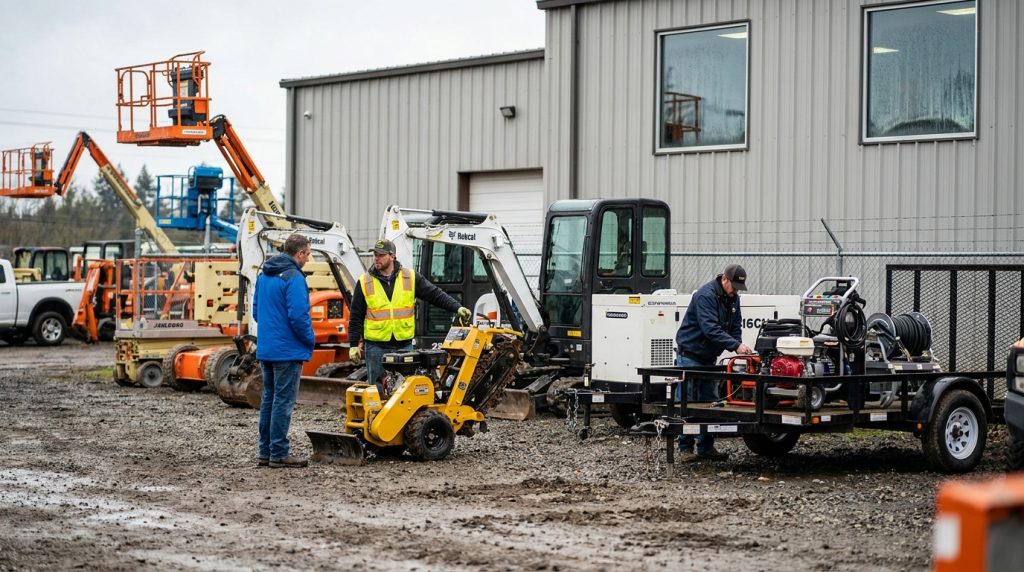
For contractors in Coldwater, Branch County, and across Southern Michigan, equipment rental is more than a convenience—it is a way to protect cash flow, bid more competitively, and keep crews productive without tying up capital in machines that may sit idle between jobs.
Whether you are handling concrete work near downtown Coldwater, site prep outside Quincy, maintenance at an industrial facility in Bronson, or a residential build near Marble Lake, the right rental decision can make or break your schedule.
As an industrial equipment supplier working with contractors, maintenance teams, and facility managers, CEM Industrial Supply understands that rental success comes down to three things:
- Choosing the right equipment for the task
- Planning around local jobsite conditions
- Keeping crews safe, supplied, and productive
This guide covers practical equipment rental tips for Coldwater contractors, including how to compare rental options, avoid hidden costs, prepare your crew, and choose the supporting supplies that keep the job moving.
For Coldwater contractors looking to optimize their equipment rental experience, it’s essential to consider not only the types of equipment needed but also the logistics involved in getting that equipment to the job site. A related article that provides valuable insights on this topic is “How Our Jobsite Delivery Saves You Time and Money.” This resource discusses the benefits of efficient delivery services and how they can streamline operations for contractors. You can read more about it by visiting here.
Start With the Job Scope, Not the Equipment List
One of the most common rental mistakes is starting with a machine in mind before fully defining the work. A skid steer, lift, compactor, generator, or concrete saw may seem like the obvious choice, but jobsite conditions often determine what is truly needed.
Define the Work Before You Call
Before reserving rental equipment, document the basics:
- What task needs to be completed?
- What material is being moved, cut, lifted, compacted, or demolished?
- How much area or volume is involved?
- What is the timeline?
- How many operators will use the equipment?
- Is the work indoors, outdoors, or both?
- Are there access limitations?
- What power, fuel, or ventilation requirements exist?
For example, a contractor cutting concrete inside a commercial facility in Coldwater may need a different saw, blade, dust control setup, PPE, and ventilation plan than a crew cutting exterior pavement.
Match Equipment to Site Conditions
Southern Michigan jobsites can vary widely depending on season, soil, and weather. Branch County contractors often deal with:
- Freeze-thaw conditions
- Wet clay or soft ground
- Snow and ice in winter
- Gravel drives and rural access roads
- Tight residential sites
- Agricultural and industrial property layouts
- Older buildings with limited access points
These conditions matter when renting equipment. A compact track loader may outperform a wheeled skid steer on soft ground. An electric scissor lift may be ideal indoors, while a rough-terrain lift may be required outside.
Ask These Questions Before Renting
Use this quick pre-rental checklist:
- What is the heaviest load the equipment must handle?
- What height, reach, or depth is required?
- What are the ground conditions?
- Are there overhead obstructions or power lines?
- Is the work near traffic, pedestrians, or active operations?
- Will the equipment fit through gates, doors, or between structures?
- Is the operator trained and comfortable with the machine?
- What attachments or accessories are required?
- What PPE and jobsite supplies are needed?
The better your answers, the better your rental recommendation will be.
Common Equipment Rentals for Coldwater Contractors
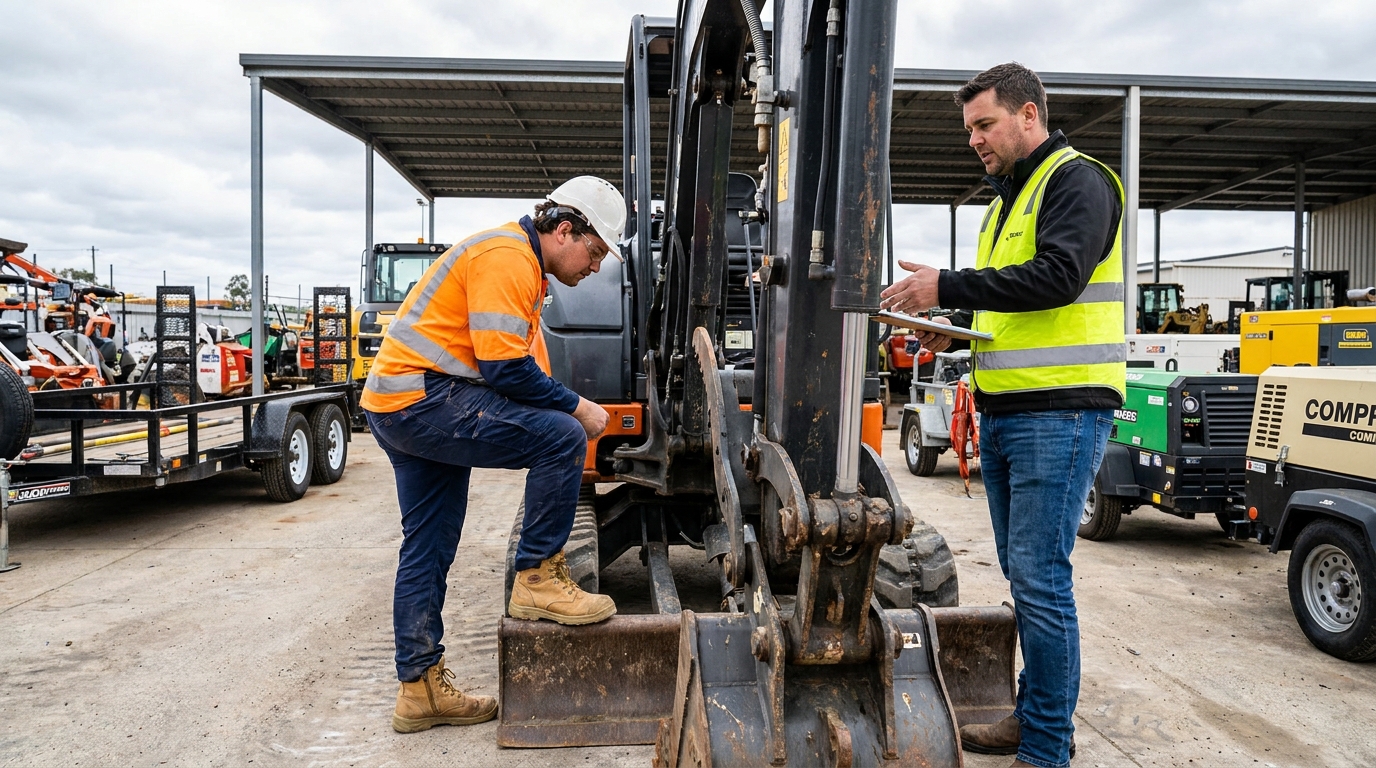
Every trade has different needs, but many contractors in Coldwater and Branch County commonly rent the same categories of equipment for construction, facility maintenance, concrete work, utility jobs, and property improvements.
Earthmoving and Site Preparation Equipment
For excavation, grading, trenching, and material handling, common rental choices include:
- Skid steers
- Compact track loaders
- Mini excavators
- Trenchers
- Backhoes
- Dump trailers
- Plate compactors
- Rammers
- Laser levels and grading tools
These machines are especially useful for contractors working on driveways, drainage, concrete prep, foundations, landscaping, and utility repairs.
When renting earthmoving equipment, pay close attention to:
- Bucket width and capacity
- Digging depth
- Machine weight
- Ground pressure
- Attachment compatibility
- Trailer and transport requirements
- Fuel type
- Operator visibility
Aerial Lifts and Access Equipment
For commercial maintenance, siding, roofing, electrical work, HVAC, signage, painting, and warehouse projects, aerial equipment can improve productivity and safety.
Common options include:
- Scissor lifts
- Boom lifts
- Man lifts
- Material lifts
- Extension ladders
- Step ladders
- Scaffolding systems
Indoor facility jobs may call for narrow electric scissor lifts with non-marking tires. Outdoor construction sites may need rough-terrain lifts with greater platform height and four-wheel drive.
CEM Industrial Supply can also help contractors support lift work with related jobsite essentials such as fall protection, gloves, hard hats, safety glasses, traffic cones, caution tape, and hand tools.
Concrete and Masonry Equipment
Concrete work is common across Coldwater, from flatwork and sidewalks to industrial pads and repair projects.
Typical rentals include:
- Concrete saws
- Core drills
- Demolition hammers
- Rotary hammers
- Concrete grinders
- Power trowels
- Screeds
- Vibrators
- Mixers
- Plate compactors
The supporting consumables matter just as much as the rental machine. For better productivity and finish quality, plan for:
- Diamond blades
- Grinding wheels
- Masonry bits
- Anchors and fasteners
- Dust masks or respirators
- Hearing protection
- Extension cords
- Marking paint
- Brooms and cleanup supplies
Power, Air, and Temporary Jobsite Support
Many Branch County jobsites do not have reliable power available when crews first arrive. Rental power and air equipment can be essential.
Common rental categories include:
- Portable generators
- Light towers
- Air compressors
- Heaters
- Fans and ventilation equipment
- Dehumidifiers
- Pumps
- Pressure washers
For rural sites around Coldwater, Union City, Quincy, and Bronson, confirm whether the location has adequate electrical service before assuming corded tools will work.
Material Handling Equipment
Moving materials efficiently prevents injuries and saves labor hours. Depending on the job, contractors may rent:
- Forklifts
- Pallet jacks
- Dollies
- Material lifts
- Hoists
- Chain falls
- Carts
- Loading ramps
Pair material handling equipment with rigging, straps, gloves, and proper load securement supplies. CEM Industrial Supply supports these needs with industrial supplies and safety products that help contractors handle materials more safely and efficiently.
Please visit our latest post at https://cemindustrialsupply.com/news/ for more information.
Rental vs. Buying: How to Make the Right Decision
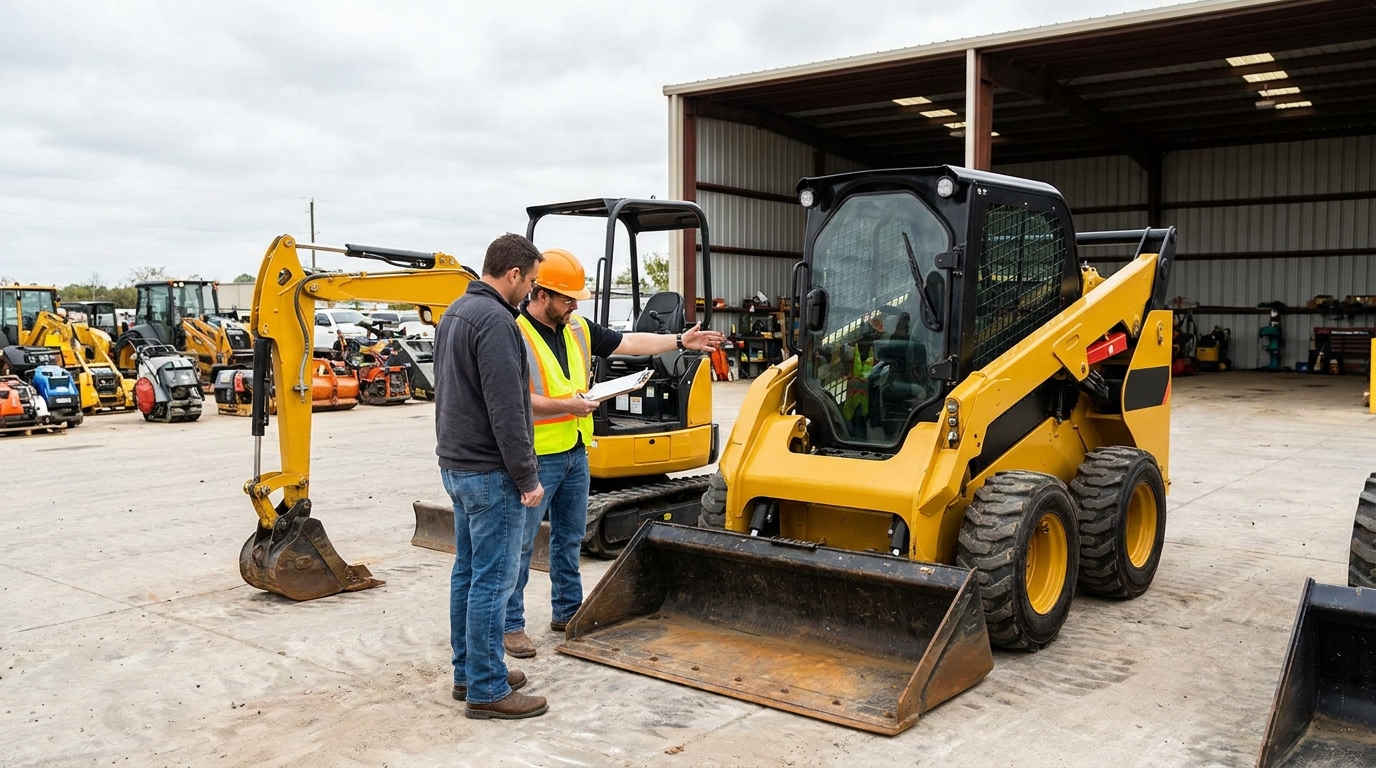
Equipment ownership has advantages, but buying is not always the best financial move. Renting can be smarter when the machine is used occasionally, requires expensive maintenance, or is needed only for a specific project.
Equipment Rental vs. Purchase Comparison
| Factor | Renting Equipment | Buying Equipment |
||||
| Upfront cost | Lower initial cost | High capital investment |
| Maintenance responsibility | Often handled by rental provider | Owner is responsible |
| Storage needs | Minimal | Requires secure storage |
| Best for | Short-term or occasional use | Frequent, long-term use |
| Flexibility | Easy to change equipment by job | Limited to owned fleet |
| Technology updates | Access to newer models | Equipment may become outdated |
| Transportation | May be available through rental provider | Owner must transport |
| Cash flow impact | Easier on short-term budgets | Ties up capital |
When Renting Makes Sense
Renting is usually the better option when:
- The equipment is needed for one project
- Utilization is low or unpredictable
- The machine is expensive to maintain
- You need a specialty tool or attachment
- Storage space is limited
- You want to avoid depreciation
- You need backup equipment during repairs
- You are testing demand before buying
When Buying May Be Better
Buying may be the right move when:
- You use the equipment weekly
- Downtime from availability issues would hurt operations
- The machine is central to your trade
- You have trained operators
- You can maintain it properly
- You have secure storage
- The total cost of repeated rentals exceeds ownership
A Simple Utilization Rule
A practical rule for contractors is this:
If you use a piece of equipment less than 60% to 70% of the time it is available, rental often deserves serious consideration.
For smaller tools, the decision may depend more on convenience and urgency. Many contractors choose to own everyday power tools, hand tools, PPE, and consumables while renting larger or specialized equipment.
For Coldwater contractors looking to enhance their equipment rental strategies, understanding the right tools for specific jobs is crucial. A related article that can provide valuable insights is about choosing the appropriate angle grinders, which can significantly impact the efficiency of your projects. You can read more about this essential equipment in the article on how to choose the right size, power, and wheel for angle grinders. This knowledge can help ensure that you select the best tools for your rental needs, ultimately leading to more successful outcomes on the job site.
How to Estimate True Rental Cost
The advertised daily or weekly rental rate is only part of the total cost. To protect your profit margin, estimate the full rental cost before bidding or scheduling work.
Costs Contractors Often Forget
When calculating rental costs, include:
- Base rental rate
- Delivery and pickup fees
- Fuel charges
- Environmental fees
- Cleaning fees
- Damage waiver or insurance
- Attachment rental
- Blade, bit, or consumable costs
- Operator labor
- Downtime risk
- Overtime or weekend charges
- Transport trailer rental
- Permits if required
- Traffic control supplies
A concrete saw rental, for example, may also require diamond blades, water supply planning, hearing protection, eye protection, dust control, and cleanup equipment.
Daily, Weekly, or Monthly Rental?
Most rental providers offer better value when equipment is kept longer. However, longer rentals are only cost-effective if the equipment will be used consistently.
| Rental Term | Best For | Watch Out For |
||||
| Half-day | Small, well-planned tasks | Delays can cause extra charges |
| Daily | Short jobs with clear scope | Weather delays can increase cost |
| Weekly | Multi-day projects | Idle days reduce value |
| Monthly | Ongoing work or phased projects | Storage and security become important |
Build Weather Risk Into the Schedule
Coldwater contractors know Michigan weather can change quickly. Rain, snow, freezing temperatures, and muddy ground can all delay work.
When renting equipment outdoors, plan around:
- Rain and thunderstorms
- Freeze-thaw cycles
- High winds affecting lift use
- Snow removal requirements
- Soft ground after spring thaw
- Limited daylight in winter
If a job is weather-sensitive, ask about rental flexibility before reserving.
Choosing the Right Rental Provider in Southern Michigan
The rental provider you choose matters as much as the machine itself. A low rate does not help if the equipment arrives late, is poorly maintained, or lacks the right attachment.
What to Look For in a Rental Partner
A strong rental partner should offer:
- Well-maintained equipment
- Clear rental terms
- Honest availability information
- Delivery and pickup options
- Practical equipment recommendations
- Safety documentation when needed
- Responsive service support
- Fair billing practices
- Knowledge of local jobsite conditions
For contractors in Coldwater, Branch County, and Southern Michigan, local knowledge can be a major advantage. A provider familiar with area roads, rural access issues, industrial facilities, agricultural sites, and seasonal conditions can help you avoid costly surprises.
Questions to Ask Before Reserving
Before booking rental equipment, ask:
- Is the equipment available for the full rental period?
- What is included in the rate?
- Are attachments included or separate?
- What are the delivery and pickup charges?
- What fuel level is required at return?
- Who handles maintenance during the rental?
- What happens if the machine breaks down?
- Is after-hours support available?
- Are damage waiver options available?
- What cleaning condition is expected at return?
- Are there hour limits on daily or weekly rentals?
Inspect Before You Accept
Always inspect equipment at delivery or pickup. Document the condition with photos if possible.
Check for:
- Fluid leaks
- Tire or track damage
- Cracked glass
- Missing guards
- Damaged hoses
- Worn pins or bushings
- Faulty lights or alarms
- Low fluids
- Attachment damage
- Warning indicators
- Operator manual availability
Do not assume a small issue is harmless. Report concerns before operating the machine.
Match Attachments, Accessories, and Consumables to the Rental
A rental machine is only productive if it has the right attachments and jobsite supplies. Many delays happen because the main equipment arrives, but a blade, bit, hose, adapter, extension cord, or PPE item is missing.
Common Attachment and Accessory Pairings
| Rental Equipment | Common Add-Ons | Supporting Supplies |
||||
| Skid steer | Bucket, forks, auger, grapple | Grease, gloves, marking paint |
| Mini excavator | Buckets, hydraulic hammer | Safety cones, trench safety supplies |
| Concrete saw | Diamond blade, water kit | Respirator, hearing protection, eye protection |
| Air compressor | Hoses, fittings, breakers | Pneumatic oil, couplers, gloves |
| Generator | Cords, distribution box | Fuel cans, GFCI protection, cable covers |
| Scissor lift | Charging cord, platform accessories | Fall protection, barricades, floor protection |
| Pressure washer | Hoses, nozzles, detergents | Boots, gloves, eye protection |
CEM Product Categories That Support Rental Jobs
CEM Industrial Supply can help contractors prepare beyond the rental itself with products commonly needed on active jobsites, including:
- Safety supplies and PPE
- Hand tools and power tool accessories
- Abrasives and cutting products
- Fasteners, anchors, and hardware
- Material handling products
- Janitorial and cleanup supplies
- Facility maintenance supplies
- Industrial hoses, fittings, and shop supplies
Having these items ready before the rental period starts helps avoid wasted time and unnecessary trips.
Don’t Forget Consumable Wear
Some rental tools rely heavily on consumables. If you underestimate wear, the job slows down.
Plan extra for:
- Diamond blades
- Grinding discs
- Sanding belts
- Drill bits
- Saw blades
- Cut-off wheels
- Batteries
- Fuel
- Lubricants
- Filters
- Tie-down straps
- Marking products
For concrete, masonry, and metal work, consumables should be selected based on the material—not just the tool.
Safety Tips for Rental Equipment on Coldwater Jobsites
Rental equipment introduces risk when operators are unfamiliar with controls, limits, or site conditions. Safety planning should happen before the machine starts.
Operator Training Comes First
Only trained and authorized personnel should operate rental equipment. Even experienced operators should review the specific model.
Before operation:
- Read the operator manual
- Review controls and warning labels
- Understand load limits
- Confirm emergency shutoffs
- Inspect safety devices
- Walk the jobsite
- Identify hazards
- Confirm communication signals
For aerial lifts, forklifts, trenching equipment, and compactors, training is especially important.
PPE Checklist for Rental Equipment Work
Depending on the task, crews may need:
- Hard hats
- Safety glasses or goggles
- Face shields
- Hearing protection
- Work gloves
- High-visibility vests
- Steel-toe boots
- Respirators or dust masks
- Fall protection
- Cut-resistant gloves
- Knee pads
- Weather-appropriate gear
CEM Industrial Supply carries safety and PPE categories that support contractors working in construction, maintenance, manufacturing, and municipal environments.
Jobsite Safety Setup
Before using rental equipment:
- Mark utilities before digging
- Establish exclusion zones
- Use cones, barricades, and caution tape
- Keep pedestrians away
- Check overhead power lines
- Confirm ground stability
- Secure tools and materials
- Maintain proper lighting
- Use spotters when visibility is limited
- Keep fire extinguishers available when needed
Special Safety Notes for Michigan Weather
Coldwater contractors should adjust safety plans for local conditions.
In winter:
- Inspect for ice around equipment
- Allow machines to warm up properly
- Use winter-rated gloves and boots
- Keep steps and platforms clear
- Watch for reduced battery performance
In spring:
- Watch for soft soil and unstable ground
- Use mats when needed
- Reassess slopes after heavy rain
In summer:
- Plan for heat stress
- Keep water available
- Protect crews from dust exposure
- Monitor equipment cooling systems
Maintenance Responsibilities During the Rental Period
Even when the rental company handles major maintenance, contractors are usually responsible for basic care during use. Ignoring small maintenance tasks can lead to downtime or damage charges.
Daily Rental Equipment Inspection Checklist
At the start of each shift, inspect:
- Engine oil level
- Hydraulic fluid level
- Coolant level
- Fuel level
- Tires or tracks
- Hoses and fittings
- Belts and guards
- Attachments and pins
- Lights and backup alarms
- Brakes and steering
- Safety decals
- Leaks under the machine
- Battery condition
- Operator controls
Document inspections for larger jobs or safety-sensitive equipment.
Keep Equipment Clean Enough to Operate Safely
Mud, concrete slurry, dust, and debris can cause problems. Keep equipment clean around:
- Steps and grab handles
- Operator platform
- Radiators and cooling areas
- Hydraulic couplers
- Air intakes
- Electrical panels
- Safety labels
- Mirrors and cameras
For concrete work, clean tools and machines before slurry hardens.
Fuel and Fluid Best Practices
Follow rental provider instructions for:
- Fuel type
- DEF requirements
- Hydraulic fluid restrictions
- Grease points
- Refueling procedures
- Return fuel level
Never mix fluids or use unapproved substitutes. If in doubt, call before adding anything.
Transportation, Delivery, and Jobsite Access Tips
Moving equipment is often where rental plans break down. Contractors should confirm transportation details early, especially for larger machines.
Know Your Transport Requirements
Before picking up equipment yourself, verify:
- Machine weight
- Trailer capacity
- Tow vehicle rating
- Hitch rating
- Brake requirements
- Tie-down points
- Chain and binder rating
- Width and height clearance
- Route restrictions
Overloading a trailer or using improper tie-downs creates serious safety and liability risks.
When Delivery Is Worth It
Delivery may cost more upfront, but it can save time and reduce risk.
Delivery is often worthwhile when:
- Equipment is heavy or oversized
- Your crew lacks the right trailer
- The jobsite is far from the rental location
- You need equipment staged at a specific time
- You want to avoid transport liability
- Multiple machines are required
For contractors working throughout Branch County and Southern Michigan, delivery planning can help keep crews focused on production rather than logistics.
Prepare the Jobsite for Delivery
Before the truck arrives:
- Confirm address and entry point
- Clear access paths
- Identify unloading area
- Check overhead wires
- Verify ground stability
- Move parked vehicles
- Unlock gates
- Provide contact person information
- Mark soft ground or hazards
If the delivery driver cannot unload safely, your schedule may slip before the job starts.
Planning Rentals Around Project Scheduling
Rental equipment costs money every hour it sits unused. Good scheduling is one of the easiest ways to improve profitability.
Sequence Work Before the Rental Starts
Before equipment arrives, complete prep tasks such as:
- Utility marking
- Permits
- Site layout
- Material delivery
- Crew scheduling
- Safety meeting
- Access preparation
- Tool and supply staging
- Weather review
Do not rent a machine before the site is ready.
Avoid “Just in Case” Rentals
Contractors sometimes rent equipment early to make sure it is available. That can be smart during peak season, but it also creates idle time.
Instead:
- Reserve early
- Confirm availability
- Schedule delivery close to actual use
- Coordinate crews and materials
- Have backup dates for weather-sensitive work
Keep Communication Tight
Everyone involved should know:
- When equipment arrives
- Who is authorized to operate it
- What task it is assigned to
- Where it will be stored
- When pickup is scheduled
- Who reports problems
- What supplies are needed
A simple text thread, job board, or daily huddle can prevent confusion.
Buying Guide: How to Select the Right Rental Equipment
Choosing equipment is not just about size. Bigger is not always better, and cheaper is not always less expensive.
Step 1: Identify the Task
Be specific. “Move dirt” is not enough. Better descriptions include:
- Load 40 yards of topsoil into trucks
- Compact 2,000 square feet of gravel base
- Cut 120 linear feet of 6-inch concrete
- Lift workers to 26 feet indoors
- Pump water from a flooded excavation
Step 2: Confirm Capacity
Match equipment to required:
- Lift height
- Lift weight
- Dig depth
- Cut depth
- Power output
- Air volume
- Compaction force
- Flow rate
- Platform size
Do not operate equipment beyond rated capacity.
Step 3: Consider Access
Measure:
- Door widths
- Gate openings
- Ceiling heights
- Turning space
- Floor load limits
- Slope and grade
- Trailer access
- Overhead hazards
Step 4: Choose Power or Fuel Type
Common options include:
- Gasoline
- Diesel
- Electric
- Battery-powered
- Propane
- Pneumatic
- Hydraulic
Indoor work often favors electric or propane equipment due to emissions concerns. Outdoor heavy work may require diesel power.
Step 5: Plan Supplies and Safety Gear
Before the rental period begins, stage:
- PPE
- Blades and bits
- Cords and hoses
- Fuel and lubricants
- Fasteners and anchors
- Marking tools
- Cleaning supplies
- Traffic control products
- First aid supplies
This is where CEM Industrial Supply can help contractors reduce downtime by sourcing the industrial supplies that support rental equipment.
Practical Cost-Saving Tips for Coldwater Contractors
A well-managed rental can improve margins. A poorly managed one can quietly drain profit.
Save Money Without Cutting Corners
Use these strategies:
- Reserve equipment early during busy seasons
- Rent the smallest machine that safely does the job
- Choose the correct attachment the first time
- Stage materials before delivery
- Train operators before the rental period starts
- Return equipment promptly
- Keep equipment clean
- Avoid unnecessary weekend charges
- Track actual usage hours
- Bundle supplies and consumables ahead of time
- Use weekly rates when work will take several days
- Ask about pickup windows and billing cutoffs
Reduce Downtime
Downtime is often more expensive than the rental itself.
Prevent downtime by:
- Inspecting equipment at delivery
- Keeping spare consumables onsite
- Having backup PPE available
- Charging batteries overnight
- Refueling at the end of each shift
- Protecting equipment from theft and weather
- Reporting issues immediately
- Keeping the operator manual accessible
Protect Against Theft and Damage
Rental equipment theft and vandalism can be costly.
At the end of the day:
- Park equipment in a secure area
- Remove keys
- Lock attachments when possible
- Use wheel locks or hitch locks
- Store smaller tools indoors
- Keep lights on at active sites
- Document machine condition
- Avoid leaving equipment near public access points
This is especially important on remote rural jobsites around Branch County.
Contractor Rental Checklist
Use this checklist before, during, and after your rental.
Before Renting
- Define the job scope
- Measure site access
- Confirm equipment capacity
- Check operator training needs
- Reserve attachments
- Order PPE and consumables
- Confirm delivery or pickup
- Review rental terms
- Plan around weather
- Prepare the jobsite
At Delivery or Pickup
- Inspect equipment condition
- Take photos
- Confirm fuel level
- Verify attachments
- Review controls
- Check safety features
- Confirm return expectations
- Get emergency contact information
During Use
- Complete daily inspections
- Follow load limits
- Use proper PPE
- Keep unauthorized people away
- Maintain clear communication
- Monitor fuel and fluids
- Report problems quickly
- Clean as needed
Before Return
- Remove personal tools and supplies
- Clean excessive mud or debris
- Refuel if required
- Photograph final condition
- Confirm pickup time
- Review final billing
Local Considerations for Coldwater, Branch County, and Southern Michigan
Contractors in Coldwater operate in a mix of residential, commercial, industrial, agricultural, and municipal environments. That diversity affects rental planning.
Rural Access and Long Driveways
Many Branch County jobsites involve gravel drives, farm lanes, or soft shoulders. Delivery trucks need room to enter, turn around, and unload safely.
If access is limited, discuss it ahead of time.
Seasonal Demand
Equipment demand often rises during:
- Spring construction season
- Summer concrete and paving work
- Fall maintenance projects
- Storm cleanup periods
- Pre-winter facility repairs
Book early when possible, especially for lifts, compactors, generators, and concrete equipment.
Industrial and Facility Work
Coldwater-area manufacturers and facilities often require special planning for indoor work, including:
- Non-marking tires
- Electric equipment
- Floor protection
- Lockout/tagout coordination
- Dust control
- Noise control
- PPE compliance
- Work around active operations
CEM Industrial Supply supports these environments with industrial safety supplies, maintenance products, abrasives, fasteners, and facility support items.
Frequently Asked Questions About Equipment Rental for Coldwater Contractors
How far in advance should Coldwater contractors reserve rental equipment?
For common tools, a few days may be enough. For skid steers, lifts, compactors, generators, concrete saws, or specialty attachments, reserve at least one to two weeks ahead when possible. During peak Southern Michigan construction season, earlier is better.
Is it cheaper to rent equipment by the week instead of by the day?
Often, yes. Weekly rentals usually offer a lower daily average cost. However, the equipment must be used enough to justify the longer rental. If it will sit idle for several days, a daily rental may still be better.
What PPE should I have ready for rental equipment operation?
At minimum, most jobs require safety glasses, gloves, work boots, and high-visibility clothing. Depending on the equipment, you may also need hearing protection, hard hats, respirators, face shields, fall protection, or cut-resistant gloves.
Who is responsible if rental equipment breaks down?
It depends on the rental agreement and cause of failure. Normal mechanical failure is typically handled differently than damage caused by misuse, neglect, or improper operation. Report problems immediately and stop using the equipment if safety is in question.
Should I pick up rental equipment myself or request delivery?
Delivery is often the safest choice for large or heavy equipment. Pick up equipment yourself only if you have the correct tow vehicle, trailer, tie-downs, and experience. Always confirm weight and transport requirements.
What supplies should I buy before renting concrete equipment?
For concrete work, plan for diamond blades, bits, dust control, water supply, extension cords, PPE, hearing protection, respirators, gloves, cleanup supplies, marking tools, and possibly anchors or fasteners depending on the job.
Can rental equipment be used indoors?
Some equipment can be used indoors, but fuel type, emissions, ventilation, tire type, floor loading, and noise must be considered. Electric or battery-powered equipment is often preferred indoors. Always confirm with the rental provider.
How can I avoid hidden rental charges?
Read the rental agreement carefully. Ask about fuel, cleaning, delivery, pickup, damage waiver, overtime, weekend charges, attachments, hour limits, and consumables before signing.
What should I do before returning rental equipment?
Clean excessive debris, refuel if required, remove your supplies, document the condition with photos, and confirm pickup or return time. Report any issues honestly to avoid disputes.
Where can contractors get jobsite supplies in Coldwater, Michigan?
Contractors in Coldwater, Branch County, and Southern Michigan can work with CEM Industrial Supply for industrial supplies that support rental work, including PPE, safety products, abrasives, fasteners, hand tools, power tool accessories, material handling items, and facility maintenance supplies.
FAQs
1. What are some important factors to consider when renting equipment for coldwater projects?
Some important factors to consider when renting equipment for coldwater projects include the equipment’s ability to withstand cold temperatures, its efficiency in cold conditions, and its maintenance requirements in cold environments.
2. What types of equipment are essential for coldwater projects?
Essential equipment for coldwater projects may include heaters, dehumidifiers, insulated tarps, and cold-weather gear for workers. Additionally, specialized equipment such as cold-weather concrete mixers and thawing machines may also be necessary.
3. How can contractors ensure the rented equipment is suitable for coldwater projects?
Contractors can ensure the rented equipment is suitable for coldwater projects by discussing their specific needs with the rental company. They should inquire about the equipment’s cold-weather capabilities, maintenance requirements, and any additional accessories or modifications needed for cold-weather operation.
4. What are some tips for maintaining rented equipment in coldwater conditions?
Some tips for maintaining rented equipment in coldwater conditions include keeping the equipment clean and free of ice and snow, storing it in a heated area when not in use, and following the manufacturer’s recommended maintenance schedule for cold-weather operation.
5. Are there any safety considerations specific to using rented equipment in coldwater environments?
Yes, there are safety considerations specific to using rented equipment in coldwater environments. Contractors should ensure that all workers are properly trained in cold-weather safety practices, including the use of cold-weather gear and the proper operation of cold-weather equipment. Additionally, they should be aware of the risks of ice and snow accumulation on equipment and take precautions to prevent accidents.