
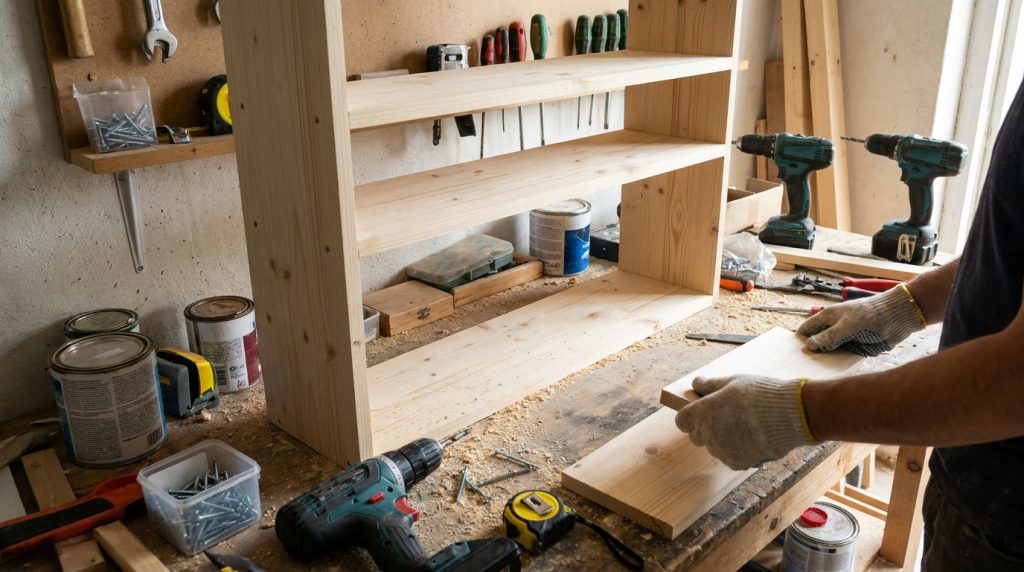
For homeowners, small property managers, farmers, and shop owners around Coldwater, Branch County, and Southern Michigan, renting tools locally can be one of the smartest ways to complete a DIY project without overbuying equipment you may only use once or twice a year.
As an industrial equipment professional, I’ve seen the same pattern for years: the right tool turns a frustrating weekend job into a clean, safe, efficient project. The wrong tool—or a cheap substitute—can damage materials, slow the job down, or create unnecessary safety risks.
Local tool rentals help you access contractor-grade equipment for projects like:
- Concrete repair and demolition
- Deck building and fence installation
- Drain cleaning
- Floor prep and refinishing
- Landscaping and trenching
- Painting and surface preparation
- Garage, barn, and shop upgrades
- Seasonal property maintenance
The best results come when you pair rented equipment with the right consumables, safety gear, hand tools, fasteners, abrasives, cutting tools, and maintenance supplies. That’s where a local industrial supplier like CEM Industrial Supply can support DIYers, maintenance teams, and contractors with practical jobsite essentials.
Whether you’re in Coldwater, Quincy, Bronson, Union City, Tekonsha, Hillsdale, or anywhere in Branch County, a little planning before you rent can save time, money, and headaches.
If you’re interested in enhancing your DIY projects with the right tools, you might find it beneficial to read an article about common issues that can arise with equipment, such as gearbox oil leaks. Understanding these potential problems can help you maintain your rented tools effectively and ensure a smoother DIY experience. For more insights, check out this article on the causes of gearbox oil leaks and whether they require urgent attention: Gearbox Oil Leaks: Causes and Urgency.
How to Choose the Right Local Tool Rental for Your DIY Project
Not every project requires the biggest machine available. In fact, oversizing a rental tool can make the work harder, especially for DIY users working in tight spaces, older homes, barns, or garages.
Start With the Scope of Work
Before calling a rental yard or picking up equipment, write down the job details.
Ask yourself:
- What material am I working with?
- How much area do I need to cover?
- Is the work indoors or outdoors?
- Do I have access to standard power, 240V power, or a generator?
- Will I need dust control, ventilation, or water?
- Can I transport the equipment safely?
- Do I need one tool or a full system of tools and accessories?
For example, resurfacing a small concrete entryway may only require a compact grinder, diamond cup wheel, dust shroud, extension cord, PPE, and patching materials. Removing a large damaged patio may require a demolition hammer, concrete saw, wheelbarrow, safety barricades, gloves, hearing protection, and hauling equipment.
Match the Tool to the Material
A rental tool is only as good as the blade, bit, disc, belt, or attachment you use with it.
Common examples include:
| Project | Rental Tool | Common Accessories and Supplies |
|---|---|---|
| Cutting concrete | Concrete saw | Diamond blade, respirator, safety glasses, hearing protection |
| Deck repair | Circular saw, impact driver | Exterior screws, drill bits, saw blades, work gloves |
| Floor refinishing | Floor sander | Sanding belts/discs, dust bags, knee pads, respirator |
| Fence posts | Auger | Marking paint, post levels, concrete mix, gloves |
| Drain cleaning | Drain snake | Gloves, disinfectant, eye protection, buckets |
| Painting prep | Pressure washer, paint sprayer | Masking tape, drop cloths, spray tips, filters, cleaner |
| Metal repair | Welder, angle grinder | Welding wire or rods, flap discs, clamps, face shield |
CEM Industrial Supply can help with many of the supporting categories DIYers often forget: abrasives, drill bits, cutting tools, fasteners, PPE, adhesives, sealants, lubricants, shop supplies, hand tools, and material handling products.
Confirm Rental Terms Before Pickup
Before you commit to a rental, clarify:
- Hourly, daily, weekend, and weekly rates
- Deposit requirements
- Fuel or battery requirements
- Cleaning fees
- Blade, bit, belt, or consumable charges
- Damage waiver options
- Late return policy
- Pickup and delivery availability
- Training or operating instructions
- Required vehicle size and tie-down needs
A tool that looks inexpensive for a half-day can become costly if you need extra consumables, transport, or a second rental because the first tool was undersized.
Best DIY Projects Using Local Tool Rentals

Local tool rentals are ideal for projects where professional-grade equipment improves speed, finish quality, or safety. Below are some of the most practical DIY projects for homeowners and property owners in Coldwater and Southern Michigan.
Concrete Repair, Cutting, and Removal
Concrete work is one of the strongest arguments for renting instead of buying. Most homeowners do not need to own a demolition hammer, concrete saw, plate compactor, or concrete grinder.
Common DIY concrete projects include:
- Removing cracked sidewalk sections
- Cutting control joints
- Repairing garage floor spalling
- Preparing concrete for coating
- Leveling trip hazards
- Breaking up old stoops or pads
- Installing small slabs for sheds or equipment pads
Useful rental tools may include:
- Demolition hammer
- Rotary hammer
- Concrete saw
- Angle grinder with diamond blade
- Concrete grinder
- Plate compactor
- Concrete mixer
Supporting supplies to have on hand:
- Diamond blades or grinding cups
- Masonry drill bits
- Concrete anchors
- Concrete patch or repair mortar
- Dust masks or respirators
- Safety glasses or goggles
- Hearing protection
- Heavy-duty gloves
- Knee pads
Expert Tip: Control Dust Before You Start
Concrete dust contains silica, which is a serious respiratory hazard. Whenever possible, use wet cutting methods or a grinder with a dust shroud connected to a proper dust extractor. At minimum, wear appropriate respiratory protection and keep bystanders away from the work area.
Deck Building and Outdoor Carpentry
Deck repairs, stair replacement, pergolas, shed ramps, and outdoor workbenches are excellent DIY projects when you rent the heavier tools and buy the right supplies.
Common rental tools:
- Miter saw
- Table saw
- Framing nailer
- Impact driver
- Post hole auger
- Laser level
- Pressure washer
CEM-related supply categories to consider:
- Exterior-rated fasteners
- Structural screws
- Drill bits and driver bits
- Saw blades
- Measuring and layout tools
- Work gloves
- Eye protection
- Adhesives and sealants
- Caulking tools
Fastener Selection Matters
Southern Michigan weather brings freeze-thaw cycles, moisture, and seasonal expansion and contraction. Use exterior-rated screws, galvanized or stainless fasteners where appropriate, and compatible hardware for treated lumber. The wrong fastener can stain wood, corrode prematurely, or weaken the connection.
Flooring Projects and Surface Preparation
Flooring is another category where rentals can dramatically improve results. Whether you’re refinishing hardwood, removing old tile, prepping a garage floor, or installing vinyl plank, the right machine makes a major difference.
Common projects:
- Sanding hardwood floors
- Removing tile or adhesive
- Grinding concrete coatings
- Cleaning garage floors
- Leveling high spots
- Preparing floors for epoxy or sealers
Rental tools may include:
- Drum sander
- Orbital floor sander
- Floor scraper
- Tile stripper
- Concrete grinder
- Wet/dry vacuum
- Floor buffer
Supplies to plan for:
- Sandpaper belts and discs
- Scraper blades
- Dust collection bags
- Respirator or dust mask
- Knee pads
- Painter’s tape
- Floor patch compound
- Cleaning chemicals
- Disposable gloves
Don’t Skip Surface Prep
Most coating and flooring failures come from poor preparation. Dust, oil, old adhesive, and moisture can prevent bonding. If you’re coating a garage or shop floor in Branch County, make sure the concrete is clean, profiled, and dry before applying any product.
Landscaping, Drainage, and Property Maintenance
Many Southern Michigan properties deal with heavy soil, seasonal water movement, long driveways, and large lawns. Renting equipment for outdoor projects can save days of manual labor.
Good rental candidates include:
- Trenchers
- Post hole augers
- Stump grinders
- Brush cutters
- Sod cutters
- Plate compactors
- Lawn aerators
- Pressure washers
- Mini skid steers
DIY projects to consider:
- Installing French drains
- Setting fence posts
- Building retaining wall bases
- Removing small stumps
- Regrading around foundations
- Compacting gravel driveways
- Creating walkways and paver patios
Supporting supplies:
- Marking paint
- Stakes and string line
- Shovels and rakes
- Landscape fabric
- Work gloves
- Safety glasses
- Hearing protection
- Wheelbarrows or carts
- Tarps
Call Before You Dig
Before trenching, augering, or driving posts, always contact the appropriate utility marking service. Underground gas, electric, water, communications, and drain lines can be closer to the surface than expected.
Painting, Cleaning, and Exterior Restoration
Pressure washers, paint sprayers, drywall sanders, and surface cleaners are often better rented than purchased, especially for one-time or seasonal jobs.
Common DIY projects:
- Washing siding
- Cleaning barns and outbuildings
- Preparing decks for stain
- Painting fences
- Spraying large interior spaces
- Cleaning concrete pads
- Removing mildew from exterior surfaces
Rental tools:
- Pressure washer
- Surface cleaner attachment
- Paint sprayer
- Drywall sander
- Airless sprayer
- Ladders or scaffolding
Useful supplies:
- Spray tips and filters
- Masking tape
- Plastic sheeting
- Drop cloths
- Brushes and rollers
- Cleaning chemicals
- Respirators
- Nitrile gloves
- Safety glasses
Test First
Always test pressure washing or spraying in a small area first. Too much pressure can damage siding, wood fibers, mortar joints, and painted surfaces. With sprayers, tip size and coating viscosity matter.
Please visit our latest post at https://cemindustrialsupply.com/news/ for more information.
Tool Rental vs. Buying: When Renting Is the Better Choice
Renting is not always the right answer. If you use a tool every week, buying may be more economical. But for many DIY projects, local tool rentals are the better option.
Tool Rental vs. Buying Comparison
| Factor | Renting Tools | Buying Tools |
|---|---|---|
| Upfront cost | Lower | Higher |
| Best for | Occasional or specialty jobs | Frequent use |
| Maintenance | Usually handled by the rental provider | Owner responsibility |
| Storage | No long-term storage needed | Requires storage space |
| Tool quality | Often contractor-grade | Varies by budget |
| Learning curve | May require brief instruction | Learn at your own pace |
| Availability | May require reservations | Always available |
| Consumables | Often purchased separately | Owner purchases as needed |
Rent When:
- The tool costs hundreds or thousands of dollars
- You only need it once or twice
- Storage is limited
- Maintenance would be difficult
- You need a professional-grade finish
- The tool requires specialty blades or attachments
- The project has a short timeline
Buy When:
- You use the tool regularly
- Consumables are easy to source
- The tool is affordable and easy to maintain
- You need it for emergency repairs
- You have proper storage
- You prefer long-term familiarity with your equipment
For many DIYers, the best strategy is a hybrid approach: own core hand tools and frequently used power tools, then rent larger equipment when needed. CEM Industrial Supply can support the “own” side of that strategy with hand tools, safety equipment, fasteners, cutting tools, adhesives, abrasives, and shop supplies that complement your local rental equipment.
If you’re considering tackling some DIY projects using local tool rentals, you might find it helpful to explore various resources that can guide you through the process. One such resource is an informative article on gearbox identification, which can be particularly useful if your project involves machinery or mechanical components. Understanding the specifics of gearboxes, including their nameplates and ratios, can enhance your DIY experience. You can read more about this topic in the article found here.
Planning Your DIY Rental Project Like a Pro
A smooth rental project starts before the tool arrives. Contractors know that setup, staging, and safety planning are just as important as the equipment itself.
Step 1: Build a Project Materials List
Your materials list should include more than lumber, concrete, or paint. Include all supporting items.
Example checklist:
- Primary building materials
- Fasteners and anchors
- Blades, bits, belts, discs, or pads
- Adhesives or sealants
- Extension cords rated for the load
- Fuel, oil, or batteries if needed
- PPE for everyone helping
- Cleanup supplies
- Trash bags or disposal containers
- Marking tools
- Measuring tools
- Tarps or surface protection
Step 2: Reserve Early
In Southern Michigan, rental demand often increases during spring, summer, and early fall. Popular weekend tools like aerators, pressure washers, augers, floor sanders, and compactors can book quickly.
Reserve early if your project depends on:
- Good weather
- Concrete delivery
- Extra labor
- A holiday weekend
- Contractor coordination
- Limited time off work
Step 3: Inspect Equipment at Pickup
Before leaving the rental location, inspect the tool with staff.
Check:
- Power cord condition
- Fuel level
- Blade or bit condition
- Guards and safety devices
- Tires or tracks
- Hydraulic leaks
- Missing accessories
- Operating instructions
- Starting procedure
- Return expectations
Take photos if needed, especially for larger equipment. This protects both you and the rental provider.
Step 4: Stage the Work Area
Before starting the tool, prepare the site.
For indoor work:
- Remove furniture and obstacles
- Cover vents and doorways for dust control
- Confirm ventilation
- Protect finished surfaces
- Keep children and pets away
For outdoor work:
- Mark utilities
- Clear debris
- Check slope and drainage
- Plan material staging
- Create a safe walking path
- Watch weather conditions
Step 5: Plan for Cleanup
Many DIYers underestimate cleanup. Concrete slurry, sawdust, paint overspray, tile debris, and landscaping waste all need a plan.
Useful cleanup supplies include:
- Contractor trash bags
- Brooms and dustpans
- Wet/dry vacuums
- Absorbents
- Shop towels
- Buckets
- Degreasers
- Tarps
- Disposable gloves
Safety Tips for DIY Tool Rentals
Rental equipment can be powerful. Treat it with the same respect a professional would.
Essential PPE for Rental Tool Projects
At minimum, consider:
| Personal Protective Equipment (PPE) | Recommended For | Why It’s Important |
|---|
| Safety glasses | Cutting, drilling, grinding, sanding | Protects eyes from dust, debris, and flying particles |
| Hearing protection | Saws, grinders, compressors, augers | Reduces the risk of hearing damage from loud equipment |
| Work gloves | Material handling, demolition, landscaping | Improves grip and helps protect hands from cuts and abrasions |
| Respirator or dust mask | Concrete cutting, sanding, painting | Helps prevent inhalation of dust, silica, and fumes |
| Steel-toe boots | Heavy lifting, demolition, construction | Protects feet from dropped tools and materials |
| Hard hat | Overhead work, construction sites | Guards against falling objects |
| Face shield | Grinding, cutting metal, welding | Provides additional protection from sparks and flying debris |
| High-visibility vest | Outdoor jobs, roadside work | Makes you more visible around equipment and vehicles |
| Knee pads | Flooring, tiling, deck work | Reduces strain and protects knees during extended kneeling |
| Long sleeves and durable pants | Most construction and repair projects | Helps protect skin from scrapes, sparks, and minor abrasions |
CEM Industrial Supply offers safety and PPE categories that are highly relevant for DIY rental work, including eye protection, hand protection, hearing protection, respiratory protection, protective clothing, and jobsite safety supplies.
Read the Manual or Ask for a Demonstration
Even if you have experience with similar tools, rental models can vary. Ask for a quick demonstration on:
- Starting and stopping
- Blade or bit changes
- Emergency shutoff
- Fueling
- Dust collection
- Proper feed rate
- Safe lifting and transport
- Troubleshooting common issues
Avoid Common DIY Rental Mistakes
Common mistakes include:
- Renting too small of a tool
- Using dull blades or worn abrasives
- Ignoring dust control
- Skipping PPE
- Overloading extension cords
- Working alone with heavy equipment
- Failing to secure equipment during transport
- Returning equipment dirty or late
- Not checking weather before outdoor work
Use the Right Extension Cord
Undersized cords cause voltage drop, overheating, tool damage, and poor performance. For heavy-duty electric tools, use a properly rated extension cord and keep it as short as practical. Outdoor work requires cords rated for outdoor use.
Local Considerations for Coldwater, Branch County, and Southern Michigan DIYers
DIY projects in Southern Michigan come with regional conditions that affect planning, materials, and equipment choices.
Freeze-Thaw Cycles
Concrete, masonry, decks, driveways, and fence posts all experience freeze-thaw stress. Use materials and installation methods designed for Michigan weather.
Practical considerations:
- Proper drainage under pavers and slabs
- Correct post depth below frost line
- Exterior-rated fasteners
- Flexible sealants where movement occurs
- Crack repair before winter
- Avoid trapping water against foundations
Rural and Agricultural Properties
Many Branch County properties include barns, pole buildings, gravel drives, workshops, and equipment storage areas. Tool rentals can help with:
- Gravel driveway repair
- Drainage trenching
- Barn floor cleaning
- Fence line maintenance
- Equipment pad installation
- Shop lighting upgrades
- Metal gate repair
- Pressure washing machinery areas
CEM’s industrial supply categories are well-suited for these environments, including fasteners, abrasives, lubricants, welding supplies, hand tools, material handling, safety products, and maintenance supplies.
Seasonal Timing
Plan projects around Michigan weather:
- Spring: drainage, lawn repair, pressure washing, fence posts
- Summer: decks, concrete, painting, roofing-related repairs
- Fall: driveway maintenance, sealing, garage prep, winterization
- Winter: indoor flooring, shop organization, equipment maintenance
If you are renting equipment in peak season, reserve early and build in a weather buffer.
Buying Guide: What to Get Before You Pick Up the Rental Tool
One of the biggest time-wasters on a DIY project is making multiple trips for small items. Before you pick up your rental equipment, gather the supplies you need.
Consumables and Accessories
Depending on the project, you may need:
- Saw blades
- Diamond blades
- Drill bits
- Driver bits
- Sandpaper
- Grinding wheels
- Flap discs
- Cut-off wheels
- Paint sprayer tips
- Filters
- Abrasive pads
- Concrete anchors
- Fasteners
- Adhesives
- Sealants
Safety Supplies
Prepare PPE before the rental clock starts.
Recommended safety items:
- Safety glasses or goggles
- Face shield
- Work gloves
- Hearing protection
- Respirator or dust mask
- Knee pads
- Steel-toe or sturdy work boots
- High-visibility clothing if working near traffic
- First aid supplies
Jobsite Setup Supplies
Useful setup items include:
- Extension cords
- Work lights
- Tarps
- Drop cloths
- Buckets
- Marking paint
- Tape measures
- Levels
- Chalk lines
- Clamps
- Brooms
- Wet/dry vacuum
- Shop towels
- Trash bags
Transport and Handling
For larger rentals, plan how you will load, secure, and unload the equipment.
You may need:
- Trailer or truck
- Tie-down straps
- Ramps
- Moving dolly
- Extra helpers
- Gloves
- Wheel chocks
- Load flags for overhang
Never rely on improvised tie-downs. Rental equipment is heavy, expensive, and dangerous if it shifts during transport.
Maintenance and Care Tips While Using Rental Equipment
Even though you do not own the rental tool, you are responsible for using it properly while it is in your possession.
During Operation
Follow these best practices:
- Stop immediately if the tool vibrates unusually
- Do not force the tool beyond its capacity
- Keep air vents clear
- Watch for overheating
- Use sharp blades and proper abrasives
- Keep cords away from cutting paths
- Check fuel and oil requirements
- Avoid wet conditions unless the tool is designed for them
- Keep guards in place
Before Returning Equipment
Return equipment in good condition.
Checklist:
- Remove loose debris
- Empty dust bags if required
- Coil cords properly
- Return all accessories
- Report any issues honestly
- Refuel if required
- Clean mud from wheels or tracks
- Confirm return time
Honest communication helps rental providers maintain safe equipment for the next user.
Project Checklists for Popular DIY Rentals
Concrete Grinding or Cutting Checklist
- Confirm tool size and power requirements
- Select proper diamond blade or cup wheel
- Arrange dust control or wet cutting
- Wear respirator, eye protection, hearing protection, gloves
- Mark cut lines clearly
- Protect nearby surfaces
- Keep water away from electrical hazards
- Clean slurry or dust promptly
Deck Repair Checklist
- Inspect framing before replacing boards
- Choose exterior-rated fasteners
- Rent saws or drivers as needed
- Pre-drill where splitting is likely
- Use proper joist hangers and structural connectors
- Wear eye and hearing protection
- Seal cut ends of treated lumber where required
- Check railing strength before use
Floor Sanding Checklist
- Remove nails, staples, and debris
- Start with the correct grit sequence
- Keep the sander moving
- Wear a respirator and hearing protection
- Vacuum thoroughly between grits
- Test stain or finish in a hidden area
- Manage dust carefully
- Dispose of finish-soaked rags safely
Landscaping Equipment Checklist
- Mark utilities before digging
- Walk the site for rocks, roots, and debris
- Wear boots, gloves, eye protection, and hearing protection
- Keep bystanders away
- Work slowly on slopes
- Avoid operating in poor visibility
- Clean mud and debris before returning equipment
How CEM Industrial Supply Supports Local DIY and Maintenance Projects
Local tool rentals provide the equipment, but successful projects depend on the full system around that equipment. CEM Industrial Supply supports DIYers, contractors, maintenance technicians, farms, facilities, and shops with industrial-grade products that help projects go smoothly.
Relevant product categories may include:
- Safety and PPE
- Abrasives
- Cutting tools
- Hand tools
- Power tool accessories
- Fasteners and anchors
- Adhesives and sealants
- Lubricants and chemicals
- Welding and metalworking supplies
- Material handling
- Janitorial and cleanup supplies
- Facility maintenance products
For a homeowner repairing a garage floor, that might mean safety glasses, nitrile gloves, diamond abrasives, concrete anchors, and cleanup supplies. For a farm shop project, it could mean grinding wheels, welding supplies, clamps, lubricants, and hand tools. For a deck repair, it may mean driver bits, exterior fasteners, sealant, saw blades, and PPE.
The goal is simple: rent the big specialty machine locally, then equip yourself with the right supporting supplies so the job gets done safely and correctly.
FAQs About DIY Projects Using Local Tool Rentals
What DIY projects are best for local tool rentals?
The best DIY projects for local tool rentals are jobs that require expensive or specialized equipment, such as concrete cutting, floor sanding, stump grinding, trenching, pressure washing, post hole digging, and demolition. These tools are often too costly to buy for one-time use.
Is it cheaper to rent tools or buy them?
Renting is usually cheaper for occasional projects or specialty tools. Buying makes more sense if you use the tool frequently. A good rule is to rent high-cost equipment you use rarely and buy common tools you use often.
What should I bring when picking up rental equipment?
Bring a valid ID, payment method, proper vehicle or trailer, tie-down straps, and any required PPE. It’s also smart to bring your project notes so you can confirm the tool, attachments, and consumables are correct before leaving.
Do rental tools come with blades, bits, or sanding discs?
Sometimes, but not always. Many rental tools require separate consumables such as blades, bits, belts, discs, or pads. Confirm what is included and what you must purchase separately before starting the rental clock.
What safety gear do I need for rental equipment?
At minimum, most projects require safety glasses, gloves, and hearing protection. Dusty tasks may require a respirator. Grinding, cutting, and demolition may require a face shield, heavy gloves, and protective clothing.
Can I rent tools for weekend projects in Coldwater or Branch County?
Many local rental providers offer daily, weekend, or weekly rental options, but availability varies by season. Spring through fall can be busy in Southern Michigan, so reserve early for popular tools like aerators, augers, compactors, and pressure washers.
How do I know what size tool to rent?
Match the tool to the material, project size, site access, and your experience level. If you’re unsure, describe the project in detail to the rental provider and ask what size they recommend. Bigger is not always better, especially in tight spaces.
What supplies should I buy before renting a tool?
Common supplies include PPE, blades, bits, abrasives, fasteners, adhesives, sealants, extension cords, marking tools, tarps, trash bags, and cleanup supplies. CEM Industrial Supply can help with many of these supporting industrial and maintenance categories.
What is the biggest mistake DIYers make with rented tools?
The biggest mistake is poor preparation. Many DIYers rent the right tool but forget the accessories, safety gear, dust control, or jobsite setup. Planning ahead helps you finish faster and avoid extra rental charges.
Should I clean rental equipment before returning it?
Yes. Remove debris, empty dust bags if required, coil cords, return all accessories, and report any problems. Some rental providers charge cleaning fees if equipment comes back excessively dirty.
What are some common DIY projects that can be done using local tool rentals?
Some common DIY projects that can be done using local tool rentals include home renovations, landscaping projects, woodworking projects, and automotive repairs.
What are the benefits of using local tool rentals for DIY projects?
Using local tool rentals for DIY projects can be cost-effective, as it eliminates the need to purchase expensive tools that may only be used once or twice. It also allows access to a wider range of tools and equipment without the need for storage space.
How can I find local tool rental options for DIY projects?
Local tool rental options for DIY projects can be found through online search engines, local hardware stores, and specialized tool rental companies. Many of these options offer online booking and delivery services.
What factors should I consider when choosing a local tool rental for my DIY project?
When choosing a local tool rental for a DIY project, it’s important to consider the range of tools and equipment available, the rental rates, the rental duration, the condition of the tools, and any additional services offered, such as delivery and pickup.
Are there any safety considerations when using rented tools for DIY projects?
Yes, it’s important to follow all safety guidelines and instructions provided by the tool rental company. Additionally, it’s important to wear appropriate safety gear, such as goggles, gloves, and ear protection, when using rented tools for DIY projects.