
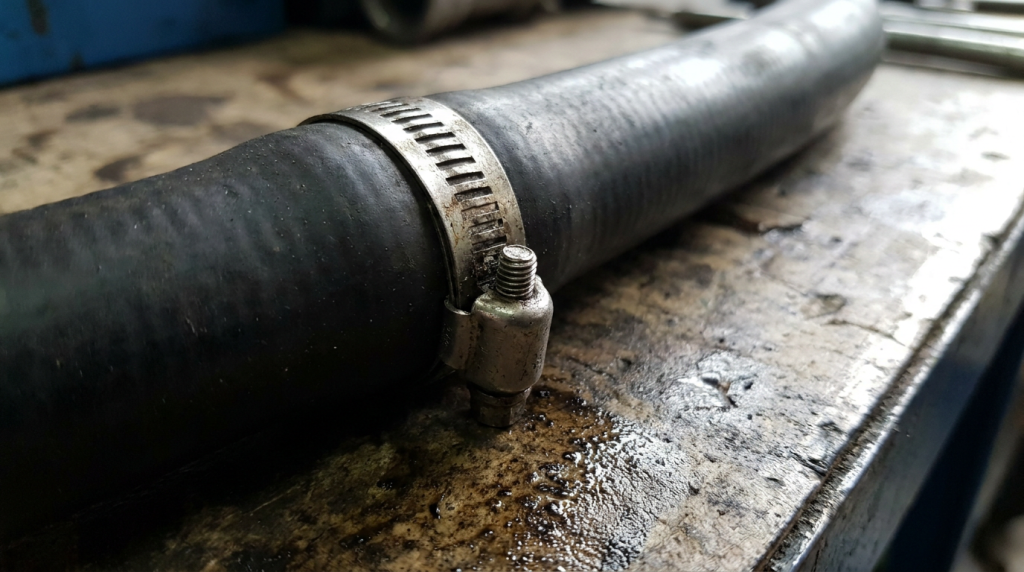
In daily life, even simple tools can become part of a larger practice of care, responsibility, and service. A hose clamp may seem small, but when chosen well, it helps prevent leaks, protects equipment, and supports the safety of homes, gardens, vehicles, plumbing systems, and workplaces.
In Bhakti Yoga, the path of devotion, we learn that love can be expressed through practical service. Bhakti means loving devotion to God, and yoga means connection. So Bhakti Yoga is the path of reconnecting with the Divine through love, chanting, prayer, service, and sincere daily action.
Choosing the right hose clamp may not look “spiritual” at first, but when we approach our work with patience, attention, and care for others, even ordinary tasks can become offerings. As the Bhagavad-gita teaches, we can offer our work with a sincere heart. In that spirit, this guide is meant to help you choose wisely, avoid common mistakes, and care for what has been entrusted to you.
When selecting the appropriate hose clamp, it’s essential to consider various factors such as material, size, and application. For those interested in exploring related topics, you might find the article on linear rail systems and precision motion solutions particularly insightful. It discusses how proper component selection can enhance overall system performance, much like choosing the right hose clamp can ensure optimal functionality in fluid transfer applications. You can read more about it here: Linear Rail Systems and Precision Motion Solutions.
What Is a Hose Clamp and Why Does It Matter?
A hose clamp is a fastening device used to secure a hose onto a fitting, pipe, barb, or connector. Its main purpose is to keep the hose sealed tightly so that air, water, fuel, coolant, or other fluids do not leak.
Hose clamps are used in many places, including cars, boats, irrigation systems, home plumbing, washing machines, pool equipment, industrial machinery, and even small household repairs.
The Basic Purpose of a Hose Clamp
A hose clamp creates even pressure around the hose. This pressure keeps the hose firmly attached to the fitting beneath it.
Without the correct clamp, a hose can loosen over time. This may lead to leaks, pressure loss, equipment damage, or safety risks. For example, in an automotive cooling system, a poor clamp may allow coolant to escape, causing overheating. In a fuel line, the wrong clamp may become dangerous. In a garden irrigation system, a weak clamp may waste water and reduce efficiency.
Why the Right Clamp Makes a Difference
Not every hose clamp is suitable for every job. Some clamps are designed for light-duty water lines. Others are made for high pressure, vibration, heat, chemicals, or outdoor weather.
Choosing the right hose clamp depends on the hose material, hose size, pressure level, temperature, environment, and the type of fluid or gas passing through the hose.
A clamp that is too weak may fail. A clamp that is too strong or too narrow may damage the hose. A clamp that is the wrong material may rust, corrode, or break.
As in spiritual life, balance matters. Too loose, and the connection is not secure. Too tight, and damage may occur. The right hose clamp holds firmly without causing harm.
Common Types of Hose Clamps
There are several types of hose clamps, each with its own purpose. Understanding the most common options will help you make a wise choice.
Worm Gear Hose Clamps
Worm gear hose clamps are among the most common. They usually have a stainless steel band with slots and a screw mechanism. When you turn the screw, the band tightens around the hose.
These clamps are widely used in automotive repair, plumbing, garden hoses, and general household applications. They are adjustable, easy to find, and simple to install.
However, worm gear clamps may not always provide perfectly even pressure. On softer hoses, overtightening can cause damage. For high-pressure or critical systems, a different clamp may be better.
Spring Hose Clamps
Spring clamps are made from spring steel and maintain constant tension around the hose. They are often used in automotive cooling systems because they can expand and contract with temperature changes.
As hoses heat and cool, they may slightly change size. A spring clamp adjusts naturally, helping maintain a reliable seal.
The main challenge is installation. Spring clamps usually require pliers or special tools, and they may be harder to position in tight spaces. Still, they are excellent for systems that experience heat cycles and vibration.
T-Bolt Hose Clamps
T-bolt clamps are strong, heavy-duty clamps used for high-pressure applications. They have a wider band and a bolt system that allows greater clamping force.
These clamps are commonly used in turbocharger systems, marine applications, industrial hoses, and heavy equipment. They provide strong, even pressure and are less likely to loosen under vibration.
Because they are powerful, T-bolt clamps should be used carefully. If tightened too much on a soft hose, they can cut or crush it. They are best suited for reinforced hoses and demanding applications.
Ear Clamps
Ear clamps, also called Oetiker-style clamps, are often used for fuel lines, air lines, and small-diameter hoses. They are crimped into place using special pliers. Once installed, they provide a tamper-resistant and compact seal.
Ear clamps are not usually reusable. If you need to remove one, you typically have to cut it off and replace it. But for certain applications, especially where space is limited, they are very effective.
Wire Hose Clamps
Wire clamps use one or more pieces of wire formed into a circular clamp. They are sometimes found in older vehicles, small engines, or specific equipment designs.
They can work well with certain hose and fitting combinations, especially where the clamp fits into a groove. However, they may not distribute pressure as evenly as wider band clamps.
Please check out our latest article at https://cemindustrialsupply.com/news/ for more information.
How to Choose the Correct Hose Clamp Size
Size is one of the most important parts of choosing the right hose clamp. A clamp that is too small will not fit. A clamp that is too large may not tighten properly or may create uneven pressure.
Measure the Outside Diameter of the Hose
To choose the correct size, measure the outside diameter of the hose after it has been placed over the fitting. This is important because the hose expands slightly when installed over a barb or connector.
Use a caliper, measuring tape, or ruler to measure across the hose. If possible, measure carefully at the exact location where the clamp will sit.
Most hose clamps are sold with a minimum and maximum diameter range. Choose a clamp where your measured hose diameter falls comfortably in the middle of the range, not at the extreme edge.
Avoid Choosing a Clamp at Its Limit
If your hose diameter is near the maximum size of the clamp, the clamp may not provide enough secure engagement. If the hose diameter is near the minimum size, the clamp may bunch up, deform, or tighten unevenly.
A properly sized hose clamp should tighten smoothly and evenly. It should not look stretched, crooked, or forced.
Consider Hose Compression
Different hoses compress differently. Soft rubber hoses may compress more than reinforced silicone or PVC hoses. If the hose is soft, choose a clamp that spreads pressure evenly and does not cut into the material.
For soft hoses, lined worm gear clamps, constant tension clamps, or wider band clamps may be better choices.
When selecting the appropriate hose clamp for your project, it’s essential to consider various factors such as material, size, and application. For those interested in exploring related topics, you might find the article on tool storage systems insightful. It discusses the durability and practicality of different storage solutions, which can be beneficial for organizing your tools and equipment effectively. You can read more about it in this related article.
Match the Clamp to the Hose Material
The hose material matters deeply. Just as each person’s spiritual journey is unique, each hose has its own qualities and needs.
Rubber Hoses
Rubber hoses are common in automotive, garden, and plumbing use. They are flexible and usually work well with worm gear clamps, spring clamps, and T-bolt clamps, depending on the pressure and temperature.
For automotive coolant hoses, spring clamps are often preferred because they maintain tension during heat cycles. For general water applications, worm gear clamps may be enough.
Silicone Hoses
Silicone hoses are often used in performance automotive, turbo systems, and high-temperature environments. They are flexible and heat-resistant, but they can be softer than standard rubber hoses.
For silicone hoses, avoid clamps that dig into the surface. Lined clamps or constant tension T-bolt clamps are often recommended. A standard worm gear clamp may damage silicone if overtightened.
PVC and Vinyl Hoses
PVC and vinyl hoses are used in low-pressure water lines, pools, aquariums, and light-duty applications. These materials can become stiff or brittle over time, especially in sunlight or cold weather.
Use clamps that apply gentle, even pressure. Do not overtighten, as PVC or vinyl may crack or deform.
Reinforced Hoses
Reinforced hoses contain internal layers of fabric, wire, or synthetic material. They are designed for higher pressure and tougher service.
For these hoses, T-bolt clamps, heavy-duty worm gear clamps, or specialized industrial clamps may be suitable. Always match the clamp to the pressure rating and manufacturer recommendation.
Understand Pressure, Temperature, and Environment
A hose clamp must serve faithfully in the environment where it is placed. Some applications are gentle. Others are demanding and require stronger materials and better design.
Low-Pressure Applications
For low-pressure uses, such as garden hoses, drain lines, small water pumps, or basic household repairs, a standard stainless steel worm gear clamp is often enough.
Still, it is wise to choose a good-quality clamp. Very cheap clamps may strip, rust, or loosen quickly. A small savings at the beginning may become a larger repair later.
High-Pressure Applications
High-pressure systems require stronger clamps. Examples include turbocharger hoses, hydraulic return lines, marine systems, industrial hoses, and certain fuel or air systems.
For high pressure, consider T-bolt clamps, heavy-duty constant tension clamps, or manufacturer-approved clamps. Check the hose and equipment specifications before choosing.
A clamp failure in a high-pressure system can be serious. When in doubt, ask a qualified mechanic, plumber, or technician.
High-Temperature Applications
Heat causes materials to expand and contract. In engines, boilers, heating systems, or industrial equipment, temperature changes can loosen ordinary clamps over time.
Spring clamps and constant tension clamps are often useful in these conditions because they maintain pressure as the hose changes size.
Also, make sure the clamp material can handle the heat. Stainless steel is usually better than low-grade plated steel in demanding environments.
Outdoor and Marine Environments
Outdoor use brings moisture, sunlight, dirt, and weather changes. Marine environments add saltwater, which is especially corrosive.
For outdoor or marine applications, stainless steel is usually the best choice. But not all stainless steel is the same. A 304 stainless steel clamp is good for many outdoor uses, while 316 stainless steel is better for saltwater and harsh corrosion conditions.
If you are working near the ocean or on a boat, choose marine-grade clamps whenever possible.
Choose the Right Clamp Material
The material of the clamp affects strength, durability, and resistance to corrosion.
Stainless Steel Clamps
Stainless steel hose clamps are popular because they resist rust and corrosion. They are suitable for automotive, plumbing, irrigation, and marine use.
However, some clamps are only partially stainless steel. For example, the band may be stainless, but the screw may be plated steel. In wet environments, the screw may rust even if the band looks fine.
For best results, look for “all stainless steel” clamps when corrosion resistance matters.
Galvanized or Plated Steel Clamps
Galvanized or plated steel clamps are often less expensive. They may be fine for dry indoor use or temporary repairs.
However, they are more likely to rust in wet, outdoor, or chemical environments. Once rust begins, the clamp can weaken or become difficult to remove.
Plastic Hose Clamps
Plastic clamps are used in some light-duty applications, especially where metal corrosion is a concern or where electrical insulation matters.
They are not suitable for high pressure, high heat, or heavy mechanical stress. Use them only when the application is appropriate.
Specialty Materials
Some industrial or chemical environments require special clamp materials. If the hose carries chemicals, solvents, or corrosive fluids, always check compatibility.
In such cases, the clamp, hose, and fitting must all be chosen as a complete system.
Installation Tips for a Secure Seal
Even the right hose clamp can fail if it is installed poorly. Careful installation is a form of mindful service. We slow down, pay attention, and do the task properly.
Place the Clamp in the Correct Position
The clamp should usually sit behind the raised barb or bead on the fitting, not directly on top of the edge. This helps the hose stay locked in place.
If the fitting has a specific clamp groove, place the clamp in that groove. Make sure the clamp is straight and centered around the hose.
Tighten Evenly, Not Aggressively
A common mistake is overtightening. Many people think tighter is always better, but this is not true.
Overtightening can cut the hose, crush the fitting, strip the screw, or create an uneven seal. Tighten until the hose is secure and there are no leaks, but do not force the clamp beyond what is needed.
If a clamp continues leaking after proper tightening, the issue may be the wrong clamp size, a damaged hose, a poor fitting, or incompatible materials.
Use the Right Tool
For worm gear clamps, use a screwdriver, nut driver, or socket that fits properly. A poor-fitting tool can strip the screw head.
For spring clamps, use proper pliers. For ear clamps, use the correct crimping tool. For T-bolt clamps, use a wrench or socket and follow torque guidance if available.
When manufacturers provide torque specifications, follow them. This is especially important in automotive, marine, and industrial applications.
Check After Use
After installation, inspect the connection. Run the system if safe to do so and check for leaks.
For systems with heat or pressure, recheck after the first use cycle. Hoses can settle, expand, or compress. A quick inspection can prevent future problems.
Common Mistakes to Avoid
Choosing a hose clamp is simple in one sense, but many problems come from small oversights.
Using the Wrong Size
A poorly sized clamp is one of the most common causes of leaks. Always measure the hose after it is installed on the fitting.
Do not guess based only on the hose’s inner diameter. Hose clamp sizing depends on the outside diameter.
Ignoring Corrosion
A clamp may look strong when new, but if it rusts quickly, it may fail. In wet, outdoor, automotive, or marine settings, corrosion resistance is essential.
Choose stainless steel, and choose 316 stainless steel for saltwater or highly corrosive environments.
Reusing Damaged Clamps
Some clamps can be reused if they are in good condition. But if a clamp is bent, rusted, stripped, cracked, or weakened, replace it.
A new clamp is often inexpensive compared with the cost of a leak or failure.
Mixing Clamps and Applications Carelessly
A clamp that works well on a garden hose may not be suitable for a fuel line. A clamp used on a coolant hose may not be right for a silicone turbo hose.
Respect the application. If the system involves fuel, high pressure, drinking water, chemicals, or safety-critical equipment, choose carefully and follow professional guidance.
Hose Clamp Selection by Application
Different situations call for different clamps. Here are some practical examples.
Automotive Cooling Systems
For radiator and heater hoses, spring clamps are often excellent because they adjust with temperature changes. Quality worm gear clamps may also be used, but they should be checked periodically.
For silicone coolant hoses, use lined clamps or clamps recommended by the hose manufacturer.
Fuel Lines
Fuel lines require special care. Use clamps rated for fuel systems. Fuel injection clamps or proper ear clamps are often preferred because they provide secure sealing without cutting into the hose.
Do not use cheap general-purpose clamps on fuel lines. Fuel leaks are dangerous.
Garden and Irrigation Systems
For garden hoses, drip irrigation, and small water pumps, stainless steel worm gear clamps are usually suitable. Choose outdoor-rated clamps to reduce rust.
If the system is low pressure, do not overtighten. Many irrigation hoses are soft and can deform.
Marine and Boat Applications
Marine systems need corrosion resistance. Use all-stainless or 316 stainless steel clamps. For below-waterline applications, many boat owners use two clamps where appropriate, with screws positioned on opposite sides.
Always follow marine safety standards and manufacturer instructions.
Industrial and High-Pressure Systems
Industrial hose systems may require T-bolt clamps, heavy-duty band clamps, crimped fittings, or engineered hose assemblies.
If failure could cause injury, equipment damage, chemical exposure, or production loss, consult a professional. A humble person knows when to ask for guidance.
Maintenance and Inspection
A hose clamp is not always “install and forget.” Regular inspection keeps systems safe and reliable.
Look for Rust and Wear
Check clamps for rust, cracks, broken bands, stripped screws, or looseness. Rust around the screw area is especially common on lower-quality clamps.
If you see significant corrosion, replace the clamp before it fails.
Check for Hose Damage
Sometimes the clamp is fine, but the hose underneath is damaged. Look for swelling, cracks, softness, hardening, or cuts near the clamp area.
If the hose is old or damaged, replacing only the clamp may not solve the problem.
Recheck After Temperature Changes
Systems exposed to heat and cold may need inspection after seasonal changes. Garden systems, boats, vehicles, and outdoor equipment can all be affected by weather.
A small seasonal check is an act of prevention and care.
A Devotional Reflection on Careful Work
In Bhakti Yoga, we are invited to bring consciousness into everything we do. Chanting sacred names, such as the maha-mantra—Hare Krishna, Hare Krishna, Krishna Krishna, Hare Hare, Hare Rama, Hare Rama, Rama Rama, Hare Hare—is a simple practice of calling out to God with love.
But Bhakti is not only chanting. It is also service. It is prayer. It is offering our time, skills, and attention. Whether one is cooking, cleaning, repairing, gardening, caring for family, maintaining a vehicle, or choosing the right hose clamp, the heart can become involved.
The Bhagavad-gita explains that work offered with devotion can purify the heart. This does not mean every task must look religious on the outside. It means we can act with sincerity, responsibility, and remembrance.
When we choose the right hose clamp, we are practicing attentiveness. We are preventing waste. We are protecting people and resources. We are learning patience. These qualities support spiritual growth.
Final Checklist for Choosing the Right Hose Clamp
Before buying or installing a hose clamp, pause and ask a few simple questions.
What Is the Hose Size?
Measure the outside diameter of the hose after it is fitted onto the connector. Choose a clamp with a suitable size range.
What Is the Hose Material?
Rubber, silicone, PVC, vinyl, and reinforced hoses may need different clamp styles. Avoid clamps that cut into soft materials.
What Pressure and Temperature Will It Face?
Low-pressure water lines may need only a basic clamp. High-pressure or high-temperature systems need stronger, more specialized clamps.
Will It Be Exposed to Moisture or Salt?
For outdoor, wet, or marine use, choose stainless steel. For saltwater, choose 316 stainless steel when possible.
Is This a Safety-Critical Application?
Fuel lines, marine systems, industrial hoses, and high-pressure systems require extra care. Use approved clamps and professional guidance when needed.
Everyone Can Take One Sincere Step
Choosing the right hose clamp is a practical matter, but it can also remind us of something deeper: life is held together by many small acts of care. When we act thoughtfully, we serve others. When we serve with love, our ordinary work becomes connected to something sacred.
Wherever you come from, whatever your background, you are welcome on the path of Bhakti. You do not need to be perfect. You can begin with one sincere step—one prayer, one chant, one act of service, one moment of gratitude, one careful task offered to God with love.
May your work be steady, your heart be peaceful, and your next step be blessed.
[fluentform id=”3″]
FAQs
What is a hose clamp?
A hose clamp is a device used to attach and seal a hose onto a fitting such as a barb or nipple. It is commonly used in automotive, plumbing, and industrial applications to prevent leaks and ensure a secure connection.
What are the different types of hose clamps?
There are several types of hose clamps, including worm gear clamps, spring clamps, wire clamps, and T-bolt clamps. Each type has its own unique design and application, so it’s important to choose the right type for your specific needs.
How do I choose the right hose clamp?
When choosing a hose clamp, consider the type of hose you are using, the diameter of the hose, the material of the clamp, and the application. It’s important to select a clamp that is the right size and material for the job to ensure a secure and leak-free connection.
What are the common materials used for hose clamps?
Hose clamps are commonly made from stainless steel, carbon steel, and various types of plastics. Stainless steel clamps are often preferred for their corrosion resistance and durability, while plastic clamps are used for lightweight applications.
How do I install a hose clamp?
To install a hose clamp, first, slide the clamp over the hose, then position the hose onto the fitting. Use a screwdriver or wrench to tighten the clamp until it is secure. Be careful not to over-tighten the clamp, as this can damage the hose or fitting.