
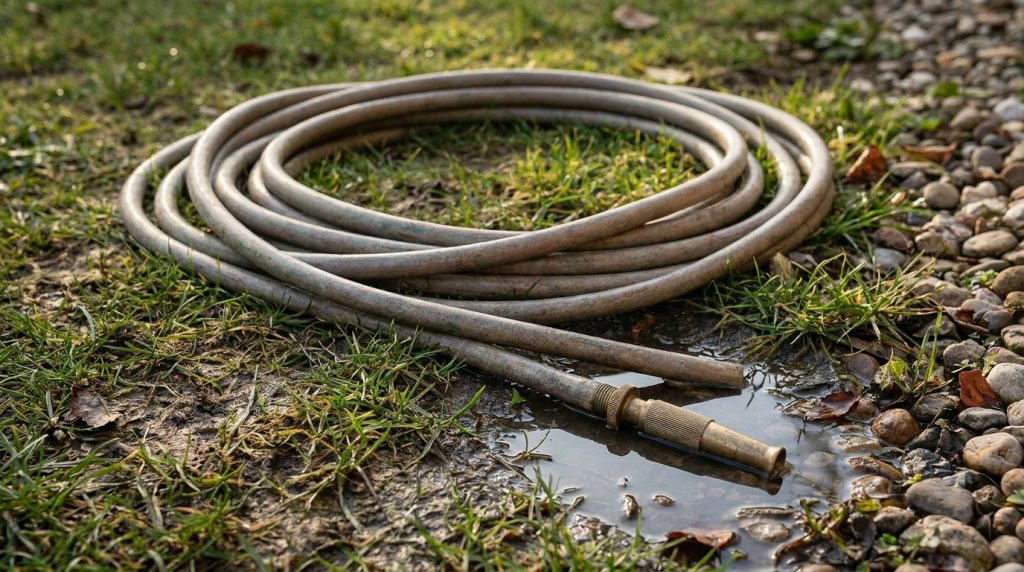
In daily life, even practical choices can become part of spiritual growth when we approach them with awareness, honesty, and service. Whether we are working in a garage, farm, workshop, construction site, or industrial setting, choosing between an air hose and a hydraulic hose is not just a technical decision. It is also a decision connected to safety, responsibility, and care for others.
In Bhakti Yoga, the path of loving devotion, we learn that our work can become an offering when done with sincerity. The Bhagavad Gita teaches that action performed with the right consciousness can purify the heart. In simple words, even ordinary tasks can become sacred when we do them carefully, humbly, and for the welfare of others.
So, let us look closely at the difference between an air hose vs hydraulic hose. We will explore how each one works, where each should be used, what safety concerns matter, and how to choose wisely.
When considering the differences between air hoses and hydraulic hoses, it’s essential to understand their specific applications and maintenance requirements. For those looking to enhance their job site efficiency and cleanliness, a related article on essential tips and gear can be found here: How to Clean Up a Job Site: Pro Tips and Must-Have Gear. This resource provides valuable insights that can complement your understanding of hose usage in various industrial settings.
What Is an Air Hose?
An air hose is a flexible tube designed to carry compressed air from one place to another. It is commonly used with air compressors and pneumatic tools.
Pneumatic means “powered by air.” So when you use tools like air drills, nail guns, paint sprayers, tire inflators, or impact wrenches, an air hose often carries the compressed air that powers them.
Common Uses of Air Hoses
Air hoses are used in many practical settings, including:
- Automotive repair shops
- Home garages
- Construction sites
- Woodworking shops
- Painting and spraying applications
- Tire inflation
- Cleaning dust and debris with compressed air
- Pneumatic machinery
Air hoses are popular because they are lightweight, flexible, and relatively easy to handle.
Common Materials Used in Air Hoses
Air hoses may be made from several materials, including:
- Rubber
- PVC
- Polyurethane
- Hybrid polymer blends
Each material has different strengths. Rubber air hoses are flexible and durable, especially in colder weather. PVC hoses are often lighter and more affordable, though they may become stiff in cold conditions. Polyurethane hoses are lightweight and resistant to abrasion, making them useful for workspaces where easy movement matters.
Typical Pressure Range for Air Hoses
Air hoses are usually designed for lower pressure compared to hydraulic hoses. Many air hoses operate in the range of around 100 to 300 PSI, though exact ratings vary.
PSI means “pounds per square inch,” a common measurement of pressure. The higher the PSI, the more pressure the hose can safely handle.
It is very important to check the pressure rating printed on the hose and never exceed it.
What Is a Hydraulic Hose?
A hydraulic hose is designed to carry hydraulic fluid under high pressure. Hydraulic systems use fluid to transfer power. This power can move heavy machinery, lift loads, operate steering systems, and control industrial equipment.
Hydraulic comes from the use of liquid force. In many machines, pressurized fluid moves through hoses and cylinders to create strong, controlled movement.
Common Uses of Hydraulic Hoses
Hydraulic hoses are used in heavier-duty applications, such as:
- Excavators and backhoes
- Forklifts
- Tractors and farm machinery
- Hydraulic lifts
- Industrial presses
- Manufacturing equipment
- Dump trucks
- Cranes
- Steering and braking systems in some machines
Where air hoses are often used for tools and light-to-medium tasks, hydraulic hoses are used when powerful force is needed.
Common Materials Used in Hydraulic Hoses
Hydraulic hoses are usually more complex than air hoses. They often include multiple layers:
- Inner tube compatible with hydraulic fluid
- Reinforcement layer, often steel wire or textile braid
- Outer cover resistant to oil, weather, abrasion, and heat
The reinforcement layer is especially important because hydraulic hoses must withstand high pressure. Some hydraulic hoses have one wire braid, while others may have two, four, or even spiral wire reinforcement for very demanding applications.
Typical Pressure Range for Hydraulic Hoses
Hydraulic hoses often operate at much higher pressures than air hoses. Some may be rated for 1,000 PSI, 3,000 PSI, 5,000 PSI, or more, depending on the application.
This high-pressure capacity is one of the biggest differences in the air hose vs hydraulic hose comparison.
Because hydraulic systems can be dangerous if misused, it is essential to choose the correct hose, fittings, and pressure rating.
Please check out our latest article at https://cemindustrialsupply.com/news/ for more information.
Air Hose vs Hydraulic Hose: Main Differences
When comparing air hose vs hydraulic hose, it helps to look at their purpose, construction, pressure capacity, fittings, flexibility, and safety requirements.
Purpose and Function
An air hose carries compressed air.
A hydraulic hose carries pressurized hydraulic fluid.
This sounds simple, but it is the foundation of the whole comparison. Air is a gas, while hydraulic fluid is a liquid. Gases compress easily. Liquids do not compress as easily. Because of this, hydraulic systems can transfer much more force.
In spiritual life, we may say that everything has its proper service. In Sanskrit, seva means “service.” An air hose serves best in one role; a hydraulic hose serves best in another. Problems arise when we force something to do what it was not designed to do.
Pressure Rating
Air hoses generally handle lower pressures.
Hydraulic hoses are built for high-pressure systems.
Using an air hose in a hydraulic system is extremely dangerous. It may burst, leak, or fail suddenly. Hydraulic fluid under pressure can penetrate skin and cause serious injury. This type of injury may look small at first but can become a medical emergency.
A hydraulic hose may sometimes physically carry air, but it is usually not the best or most economical choice unless specifically approved for that use. Hose selection should always follow manufacturer guidance.
Construction and Reinforcement
Air hoses are usually simpler in construction. They may have a single material layer or a reinforced design depending on use.
Hydraulic hoses are usually built with several layers, including strong reinforcement to contain pressure.
This is one reason hydraulic hoses are often heavier and more expensive. They are made to withstand intense force, vibration, temperature changes, and contact with oil or chemicals.
Fluid Compatibility
Air hoses are designed for air. Some may also handle water or certain light fluids, but only if the manufacturer says so.
Hydraulic hoses are designed for hydraulic oil or specific hydraulic fluids. The inner tube must be compatible with the fluid being used.
If the wrong fluid passes through a hose, the hose can soften, crack, swell, or fail. This is why compatibility matters so much.
Fittings and Connections
Air hose fittings are commonly quick-connect couplers, plugs, and clamps designed for compressed air systems.
Hydraulic hose fittings are stronger and more specialized. They may include crimped fittings, threaded connectors, O-ring face seals, JIC fittings, NPT fittings, BSP fittings, and others.
The fitting must match the hose, the pressure, and the machine. A weak or incorrect fitting can be just as dangerous as the wrong hose.
When considering the differences between air hoses and hydraulic hoses, it’s essential to understand the specific applications and requirements for each type. For instance, air hoses are typically used for pneumatic tools and systems, while hydraulic hoses are designed to handle high-pressure fluids in machinery. If you’re looking for more insights on selecting the right materials for your projects, you might find this article on choosing the best contractors particularly helpful, as it emphasizes the importance of using the right tools and materials for effective repairs.
Safety Considerations for Air Hoses and Hydraulic Hoses
Safety is a form of compassion. In Bhakti, compassion is not only a feeling; it becomes action. We care for the body because the body is a sacred gift, a vehicle for learning, service, prayer, and devotion.
The Sanskrit word ahimsa means “non-harm.” In practical work, ahimsa means we do our best not to harm ourselves, others, tools, machines, or the environment.
Air Hose Safety Tips
When using an air hose, remember:
- Check the PSI rating before use
- Inspect for cracks, cuts, swelling, or leaks
- Use proper fittings and couplers
- Do not point compressed air at people
- Avoid using compressed air to clean skin or clothing
- Keep hoses away from sharp edges and hot surfaces
- Release pressure before disconnecting tools
- Coil and store hoses properly
Compressed air may seem harmless, but it can cause injury. It can blow debris into the eyes, damage hearing, or cause sudden hose whipping if a fitting disconnects.
Hydraulic Hose Safety Tips
Hydraulic hose safety is even more serious because of high pressure.
Important safety practices include:
- Never use hands to check for hydraulic leaks
- Use cardboard or wood to detect suspected leaks
- Wear eye protection and gloves
- Depressurize the system before maintenance
- Replace damaged hoses immediately
- Follow the machine manufacturer’s specifications
- Use the correct pressure rating and hose type
- Make sure fittings are properly crimped or installed
- Avoid twisting, kinking, or bending beyond the hose radius
A hydraulic leak can be very dangerous. High-pressure fluid can pierce the skin. If this happens, seek emergency medical care immediately.
Hose Whip and Failure Risk
Both air hoses and hydraulic hoses can whip if they fail or disconnect under pressure. Hose whip can injure workers and damage equipment.
Using whip checks, proper couplers, and pressure-rated fittings can reduce risk. Regular inspection is also important.
In the Bhagavad Gita, Lord Krishna encourages thoughtful action, not careless action. A mindful worker pauses, checks, and acts with steadiness. This simple awareness can protect many people.
When considering the differences between air hoses and hydraulic hoses, it’s essential to understand the specific applications and requirements of each type. For instance, air hoses are generally used for pneumatic tools and systems, while hydraulic hoses are designed for high-pressure applications involving fluids. To further enhance your knowledge about maintaining tools that utilize these hoses, you might find this article on how to extend the life of your angle grinder particularly useful. It offers valuable insights that can help you prolong the lifespan of your equipment. You can read it here: extend the life of your angle grinder.
Can You Use an Air Hose for Hydraulic Fluid?
In almost all cases, no. You should not use an air hose for hydraulic fluid.
An air hose is not designed for the high pressure of hydraulic systems. It may also not be compatible with hydraulic oil. Even if it seems to work briefly, it can fail suddenly.
Why It Is Dangerous
Using an air hose in a hydraulic system can lead to:
- Hose bursting
- Fluid injection injuries
- Machine failure
- Fire hazards if fluid contacts hot surfaces
- Environmental contamination
- Costly repairs
- Serious workplace accidents
The small savings from using the wrong hose are not worth the risk.
Pressure Is the Main Issue
Hydraulic systems often require thousands of PSI. Many air hoses are rated far below that.
Even if an air hose has reinforcement, it is not automatically safe for hydraulic use. Always choose a hose specifically rated and approved for hydraulic service.
Chemical Compatibility Also Matters
Hydraulic fluids can affect hose materials. If the inner tube is not compatible, it can break down over time. This may cause hidden weakness before visible failure occurs.
This is why professional hose selection matters.
Can You Use a Hydraulic Hose for Air?
Sometimes a hydraulic hose may be able to carry air, but only if the hose manufacturer approves it for compressed air service.
However, it is usually not the best choice for ordinary air tools.
Why It May Not Be Ideal
Hydraulic hoses are often:
- Heavier
- Less flexible
- More expensive
- Overbuilt for simple air applications
- Designed for fluids rather than air movement
For a basic air compressor or pneumatic tool, a proper air hose is usually more comfortable and cost-effective.
Check for Air Compatibility
Not every hydraulic hose is suitable for compressed air. Some hydraulic hose covers may be perforated to allow gas to escape if used with certain gases. Others may not be recommended for air at all.
Always read manufacturer specifications.
When It Might Be Used
A hydraulic hose may be used for air in certain industrial applications if approved and properly rated. This decision should be made by someone qualified, especially in high-pressure or safety-critical environments.
How to Choose Between an Air Hose and Hydraulic Hose
Choosing the right hose begins with understanding your application. The best hose is not always the strongest or most expensive one. The best hose is the one that properly serves the need.
In Bhakti Yoga, yukta-vairagya is a Sanskrit term that can be understood as “using things wisely in service.” We do not reject practical tools, nor do we misuse them. We use them with consciousness, purpose, and gratitude.
Identify What Will Flow Through the Hose
Ask first: what is the hose carrying?
- Compressed air
- Hydraulic oil
- Water
- Fuel
- Chemicals
- Steam
- Other fluids or gases
If it is compressed air, choose an air hose rated for your pressure and environment.
If it is hydraulic fluid, choose a hydraulic hose compatible with the fluid and rated for the system pressure.
Know the Working Pressure
Every hose has a working pressure rating. The working pressure is the pressure the hose is designed to handle during normal use.
You should also understand burst pressure. Burst pressure is the pressure at which a hose may fail in a test environment. You should never operate near burst pressure. Always follow working pressure ratings.
Consider Temperature
Temperature affects hose performance.
Ask:
- Will the hose be used outdoors?
- Will it be exposed to freezing conditions?
- Will it be near engines or hot machinery?
- Will the fluid inside be hot?
Rubber hoses may perform better in cold weather than some PVC hoses. Hydraulic hoses must be selected for both fluid temperature and surrounding temperature.
Think About Flexibility and Bend Radius
Bend radius means how tightly a hose can bend without damage.
Air hoses are often chosen for flexibility because workers move them around frequently.
Hydraulic hoses must be routed carefully to avoid sharp bends. A hose bent too tightly may fail early.
Choose the Right Length
A hose that is too short may pull, stretch, or strain fittings.
A hose that is too long may create pressure loss, clutter, tripping hazards, or extra wear.
Choose a length that allows safe movement without unnecessary excess.
Air Hose Materials: Strengths and Weaknesses
Different air hose materials work better in different conditions.
Rubber Air Hoses
Rubber air hoses are durable, flexible, and strong. They are often good for professional use.
Benefits include:
- Good flexibility
- Strong abrasion resistance
- Better cold-weather performance
- Long service life
Possible drawbacks:
- Heavier than other options
- May cost more than PVC
PVC Air Hoses
PVC air hoses are common and affordable.
Benefits include:
- Lightweight
- Budget-friendly
- Good for light-duty use
Possible drawbacks:
- Can become stiff in cold weather
- May kink more easily
- Often less durable than rubber
Polyurethane Air Hoses
Polyurethane air hoses are lightweight and flexible.
Benefits include:
- Very light
- Good abrasion resistance
- Easy to handle
- Good for finish work or indoor shops
Possible drawbacks:
- May cost more
- May not be ideal for all heavy-duty environments
Hybrid Air Hoses
Hybrid hoses combine features of rubber and PVC or other materials.
Benefits include:
- Flexible
- Lighter than rubber
- Often good in varied weather
- Useful for general-purpose work
They are a popular choice for many workshops and garages.
Hydraulic Hose Construction: What to Understand
Hydraulic hoses are not simple tubes. They are engineered components.
Inner Tube
The inner tube carries the hydraulic fluid. It must resist the specific oil or fluid being used.
If the inner tube is not compatible, the hose can fail from the inside out.
Reinforcement Layer
The reinforcement gives the hose strength. It may be textile braid, steel wire braid, or spiral wire.
More reinforcement usually means higher pressure capacity, but also more weight and less flexibility.
Outer Cover
The outer cover protects against:
- Abrasion
- Weather
- Oil
- Heat
- Chemicals
- UV exposure
- Physical damage
A damaged cover may expose reinforcement. Once reinforcement is damaged or corroded, hose failure risk increases.
Crimped Fittings
Many hydraulic hoses use crimped fittings. A crimping machine compresses the fitting onto the hose with exact force.
This should be done with the proper equipment and matched parts. Mixing random hose and fittings can be dangerous.
Maintenance and Inspection
Good maintenance is both practical and spiritual. It reflects attention, gratitude, and responsibility.
The Sanskrit word sadhana means “spiritual practice.” While sadhana often refers to chanting, prayer, meditation, and scripture study, we can also bring a sadhana-like steadiness into our work. Regular inspection becomes a practice of care.
Air Hose Inspection Checklist
Before using an air hose, check for:
- Cracks
- Cuts
- Worn spots
- Loose fittings
- Kinks
- Leaks
- Damaged couplers
- Stiff or brittle areas
Listen for air leaks. A leaking air hose wastes energy and reduces tool performance.
Hydraulic Hose Inspection Checklist
For hydraulic hoses, inspect for:
- Oil leaks
- Blistering
- Cracked outer cover
- Exposed wire
- Rusty reinforcement
- Abrasion
- Loose fittings
- Kinks or twisted routing
- Flattened or crushed areas
- Fluid seepage near fittings
If a hydraulic hose looks questionable, replace it. Do not take chances.
Proper Storage
Store hoses away from:
- Direct sunlight
- Extreme heat
- Sharp objects
- Chemicals
- Heavy crushing weight
- Excessive moisture
Coil hoses gently. Do not fold them sharply.
Replacement Timing
Air hoses may last a long time in light use, but they should be replaced when damaged.
Hydraulic hoses should be replaced according to equipment guidelines, visible condition, and operating environment. Some industries use scheduled replacement to prevent failure.
Cost Differences Between Air Hose and Hydraulic Hose
Air hoses are usually less expensive than hydraulic hoses. This is because air hoses generally have simpler construction and lower pressure requirements.
Hydraulic hoses cost more because they require stronger materials, precise fittings, and higher safety standards.
Initial Cost
Air hoses are often affordable and easy to purchase at hardware stores, auto shops, and industrial suppliers.
Hydraulic hoses may need to be custom-made for length, fitting type, pressure rating, and machine requirements.
Long-Term Value
The cheapest hose is not always the best value.
A low-quality air hose may kink, crack, or leak. A poorly chosen hydraulic hose may fail and cause major damage.
The right hose protects tools, machines, workers, and time.
Downtime Costs
In a business setting, hose failure can stop work. Downtime may cost more than the hose itself.
For hydraulic systems, a failed hose can lead to fluid loss, cleanup costs, equipment damage, and safety risks.
Choosing correctly is an act of wise stewardship.
Environmental and Workplace Responsibility
Hydraulic fluid leaks can harm soil, water, and living beings. Air leaks waste energy because compressors must work harder.
In Bhakti teachings, all life is sacred because all beings are connected to the Divine. The Bhagavata Purana encourages a vision of respect toward all living beings. Practically, this means we should reduce waste, prevent leaks, and maintain tools responsibly.
Preventing Air Waste
Compressed air systems can waste energy through leaks. To reduce waste:
- Repair leaks quickly
- Use proper fittings
- Turn off compressors when not needed
- Use the correct hose diameter
- Avoid excessive hose length
Preventing Hydraulic Fluid Leaks
Hydraulic leaks should be addressed immediately.
Good practices include:
- Regular inspections
- Correct hose routing
- Using protective sleeves where needed
- Replacing worn hoses
- Cleaning spills properly
- Disposing of used fluid according to local rules
Caring for the Workplace
A clean and safe workspace supports clear thinking. It also protects everyone who enters.
In Bhakti, cleanliness is valued not as pride, but as a way to create a peaceful space for service and remembrance of God.
Practical Buying Guide: Air Hose vs Hydraulic Hose
When purchasing a hose, pause and ask the right questions.
Questions Before Buying an Air Hose
Ask:
- What PSI does my compressor produce?
- What pressure does my tool require?
- What hose diameter do I need?
- How long should the hose be?
- Will I use it indoors or outdoors?
- Do I need flexibility in cold weather?
- What fittings match my tools?
Common air hose diameters include 1/4 inch, 3/8 inch, and 1/2 inch. Larger diameter hoses can carry more air volume, which matters for high-demand tools.
Questions Before Buying a Hydraulic Hose
Ask:
- What is the system working pressure?
- What is the maximum pressure spike?
- What hydraulic fluid is used?
- What temperature range is expected?
- What fittings are required?
- What hose length is needed?
- What bend radius is required?
- Is abrasion protection needed?
- Does the machine manufacturer specify a hose type?
For hydraulic hoses, it is often wise to consult a qualified technician or hose supplier.
Do Not Guess with Hydraulic Systems
Guessing can be dangerous. Hydraulic systems involve high pressure and serious risk.
If you are unsure, bring the old hose to a professional supplier or check the equipment manual. Match the hose carefully.
Common Mistakes to Avoid
Learning from mistakes before they happen is a blessing.
Mistake 1: Using Air Hose for Hydraulic Fluid
This is one of the most dangerous mistakes. Air hoses are not made for hydraulic pressure or hydraulic oil unless specifically rated, which is uncommon.
Mistake 2: Ignoring Pressure Ratings
Never assume a hose can handle pressure because it “looks strong.” Always check the printed rating and manufacturer information.
Mistake 3: Using the Wrong Fittings
Fittings must match the hose, equipment, pressure, and thread type. Incorrect fittings can leak or fail.
Mistake 4: Overlooking Temperature
Cold can make some hoses stiff. Heat can weaken others. Choose a hose that matches the environment.
Mistake 5: Continuing to Use Damaged Hoses
A damaged hose is a warning. Replace it before it fails.
Mistake 6: Poor Hose Routing
Twisting, stretching, sharp bending, or rubbing against metal edges can shorten hose life.
Proper routing is especially important in hydraulic systems.
A Bhakti Reflection: Tools, Service, and Inner Alignment
At first, air hose vs hydraulic hose may seem like a purely mechanical topic. But spiritual life is not separate from daily life.
Bhakti means devotion, or loving connection with God. Yoga means connection. Bhakti Yoga is the path of reconnecting with the Divine through love, chanting, prayer, service, humility, and remembrance.
When we work with tools, machines, hoses, and materials, we can ask: “How can I do this with care? How can my work serve others? How can I avoid harm?”
Chanting While Working
Many practitioners of Bhakti Yoga chant sacred names of God, such as the Hare Krishna maha-mantra:
Hare Krishna, Hare Krishna, Krishna Krishna, Hare Hare
Hare Rama, Hare Rama, Rama Rama, Hare Hare
Maha-mantra means “great mantra.” A mantra is a sacred sound that helps focus the mind and awaken the heart.
You do not have to be from any particular background to try chanting. Even softly repeating God’s names while preparing for work can bring calmness and clarity.
Prayer Before Action
A simple prayer before beginning a task may be:
“Dear God, please guide my hands, protect everyone here, and let this work be useful and honest.”
Such prayer does not replace technical knowledge. Rather, it supports a humble and attentive mood.
Service Through Excellence
Doing a job properly is a form of service. Choosing the correct hose, inspecting it, and protecting others from harm are practical expressions of love.
The Bhagavad Gita teaches that we have a right to perform our duty, but we should not be attached to selfish results. In practice, this means we do our best, offer the result to God, and keep learning.
Quick Comparison: Air Hose vs Hydraulic Hose
Here is a simple summary.
Air Hose
Best for:
- Compressed air
- Pneumatic tools
- Tire inflation
- Paint sprayers
- Garage and workshop use
Key features:
- Lower pressure range
- Lightweight options
- Flexible handling
- Usually less expensive
- Uses air fittings and couplers
Do not use for hydraulic systems.
Hydraulic Hose
Best for:
- Hydraulic oil
- Heavy machinery
- High-pressure fluid power
- Lifts, tractors, excavators, presses
- Industrial equipment
Key features:
- High-pressure rating
- Strong reinforcement
- Specialized fittings
- Fluid compatibility required
- Higher safety demands
Use only the correct hydraulic hose for the system.
Final Guidance: Choosing with Wisdom and Care
The basic difference is clear: an air hose carries compressed air, while a hydraulic hose carries pressurized hydraulic fluid. Air hoses are generally lighter, simpler, and used for pneumatic tools. Hydraulic hoses are stronger, more complex, and designed for high-pressure fluid power.
The most important rule is this: use the hose designed for the job.
Do not use an air hose for hydraulic fluid. Do not use any hose beyond its pressure rating. Do not ignore damage, leaks, or poor fittings. When in doubt, ask a qualified professional.
In this way, even a practical decision becomes an opportunity to practice mindfulness, responsibility, and kindness.
Bhakti Yoga invites us to bring love into every part of life. Whether we are chanting, praying, studying scripture, serving food, repairing equipment, or choosing the right hose, we can remember that God is present and that our actions matter.
Everyone is welcome at The Bhakti House. Whatever your background, beliefs, or level of experience, you can take one sincere step toward God today. Chant one name, offer one prayer, serve one person, or do one task with love and care. That sincere step is precious.
[fluentform id=”3″]
FAQs
What is the difference between an air hose and a hydraulic hose?
An air hose is designed to carry compressed air from one location to another, while a hydraulic hose is designed to carry hydraulic fluid to transmit power in hydraulic machinery.
What are the materials used in air hoses and hydraulic hoses?
Air hoses are typically made of rubber, PVC, or polyurethane, while hydraulic hoses are made of synthetic rubber, thermoplastic, or Teflon.
What are the pressure ratings for air hoses and hydraulic hoses?
Air hoses are generally rated for lower pressure applications, typically up to 300 psi, while hydraulic hoses are designed to handle much higher pressures, ranging from 1,000 psi to 6,000 psi or more.
What are the typical applications for air hoses and hydraulic hoses?
Air hoses are commonly used in pneumatic tools, air compressors, and air-operated equipment, while hydraulic hoses are used in hydraulic machinery, construction equipment, and industrial machinery.
What are the key factors to consider when choosing between an air hose and a hydraulic hose?
When choosing between an air hose and a hydraulic hose, it is important to consider the application, pressure requirements, temperature range, and compatibility with the fluid being transmitted.