
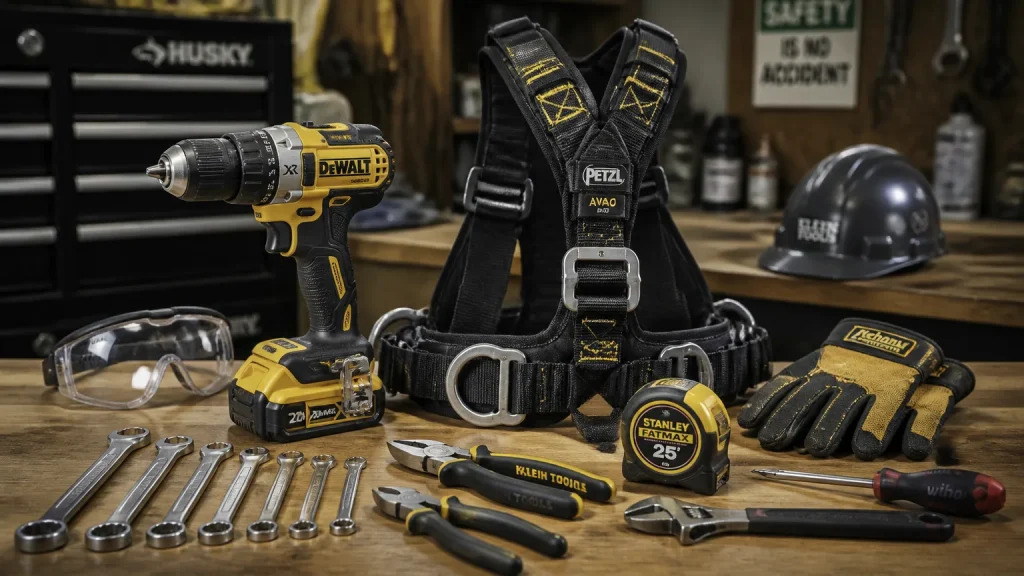
Selecting the right industrial equipment & supplies is crucial for contractors, manufacturers, and DIYers. The quality of your tools and materials directly impacts your project’s success. Using subpar equipment can lead to delays, increased costs, and unsatisfactory results.
Think of it this way: the right tools not only enhance efficiency but also ensure safety. For instance, a high-quality drill can make quick work of tough materials, while a reliable safety harness protects workers from potential hazards.
Investing in quality industrial equipment & supplies means fewer breakdowns and less downtime. It fosters a smoother workflow, allowing you to focus on what truly matters—getting the job done right.
In this article, we’ll explore key considerations that will guide you in making informed choices. From understanding your specific needs to evaluating product durability, we’ll help you navigate the essentials of selecting the best equipment for your projects. Let’s dive in and discover how to equip yourself for success.
1. Evaluating Equipment Needs
When planning a project, the first step is to assess its scope and specific requirements. Consider the tasks at hand—what will you be doing? Will you need heavy machinery, hand tools, or both? Understanding the scale of your project will help you determine the type of industrial equipment and supplies necessary.
Next, align the capabilities of your equipment with project demands. For instance, if you’re working on a large construction site, you’ll likely need robust machinery that can handle heavy loads and operate continuously. In contrast, a smaller DIY project may only require basic tools.
Don’t forget to factor in the environment where the equipment will be used. Will it be exposed to extreme temperatures or moisture? Selecting tools designed for specific conditions can enhance their performance and lifespan. For example, corrosion-resistant supplies are essential for projects in humid areas.
It’s also crucial to evaluate the level of expertise required to operate the equipment. Some tools may need specialized training, while others are user-friendly and suitable for beginners. This consideration can affect both safety and efficiency.
Lastly, budget plays a vital role in your decision-making process. Compare the costs of various equipment options, keeping an eye on long-term value versus initial price. Investing in high-quality industrial equipment and supplies may save you money in the long run through reduced maintenance and increased durability.
By taking these factors into account, you’ll be better equipped to choose the right tools and materials for your project. This thoughtful approach ensures that you meet project demands effectively and efficiently.
2. Understanding Safety Standards and Regulations
When choosing industrial equipment and supplies, safety should always be a top priority. Compliance with OSHA standards is crucial. These regulations protect workers and ensure a safe working environment. Familiarizing yourself with these requirements not only keeps your team safe but also helps you avoid costly fines.
Each piece of equipment has its own safety specifications. For example, when selecting power tools, look for features like automatic shut-off switches or blade guards. These features minimize risks and protect users from accidents. Always check if the equipment meets the necessary safety ratings.
Additionally, consider the environment in which the equipment will be used. If you’re working in a hazardous area, opt for gear specifically designed for those conditions. This could include explosion-proof equipment or tools with enhanced insulation. Ensuring you have the right safety gear tailored to your work environment is vital for your team’s well-being.
Training is another aspect of safety compliance. Make sure your team understands how to use equipment properly. Regular safety training sessions can significantly reduce the likelihood of accidents. Incorporating this into your workflow fosters a culture of safety and responsibility.
It’s also wise to consult product manuals and safety data sheets. These documents provide essential information on safe usage and maintenance. They often highlight potential hazards and the necessary precautions to take.
Remember, investing in equipment that prioritizes safety not only protects your workers but also boosts productivity. A safe work environment leads to fewer disruptions and more efficient operations. Prioritize safety standards in your equipment choices, and you’ll set your projects up for success.
3. Choosing the Right Tools for the Job
Selecting the right tools for your project is crucial. Industrial equipment and supplies vary significantly, even among similar-looking items. Understanding these differences can save you time and enhance your results.
Start by assessing the specific requirements of your project. Consider the materials you’ll be working with and the type of work involved. For instance, a high-torque drill is essential for heavy-duty applications, while a lightweight model may suffice for basic tasks. Identifying these needs will help you narrow your options effectively.
Next, evaluate tool performance. Look at factors like power, speed, and precision. For example, impact wrenches are ideal for automotive applications due to their high torque output. In contrast, a standard wrench might be better suited for lighter tasks. Understanding how each tool performs in various scenarios will guide your selection.
Also, consider the suitability of tools for your team’s skill levels. If your crew is experienced, they may handle advanced tools with ease. However, for less experienced workers, simpler, user-friendly options can enhance safety and efficiency. This consideration not only boosts productivity but also reduces error rates.
Don’t overlook the importance of quality. Investing in durable tools can lead to better performance and longer life. Research reputable brands known for their reliability. Often, spending a little more upfront can save you from costly replacements down the line.
Finally, read reviews and seek recommendations. Insights from others who have used the equipment can provide invaluable information. This approach ensures you make informed decisions tailored to your specific needs. By focusing on these key elements, you’ll be well-equipped to choose the right tools for your job.
4. Investing in Quality Supplies
When it comes to industrial equipment and supplies, quality matters. Although cheaper options may seem appealing at first, they often lead to higher costs over time. Investing in high-quality supplies can save you money by reducing the frequency of replacements and repairs.
Consider the durability of materials. Quality supplies are designed to withstand the rigors of demanding work environments. For example, a robust drill may have a higher upfront cost, but its longevity and reliability can far outweigh the initial investment. You’ll spend less time fixing equipment and more time focusing on your projects.
In professional settings, reliability is crucial. When you’re in the middle of a job, the last thing you need is equipment failure. High-quality tools and materials perform consistently, allowing you to meet deadlines and maintain productivity. This reliability translates into trust from your clients and stakeholders, reinforcing your reputation in the industry.
Another factor to consider is safety. Investing in quality supplies often means better safety features and compliance with industry standards. This not only protects your workers but also minimizes the risk of costly accidents or downtime. A safe work environment enhances productivity and boosts morale.
Ultimately, the decision to invest in quality supplies is about long-term benefits. While it may require a larger initial outlay, the savings on maintenance, replacements, and potential safety issues make it a smart choice. Make quality a priority in your purchasing decisions and watch your efficiency and project outcomes improve.
5. Maintenance and Upkeep Considerations
Proper maintenance is crucial for the longevity of your industrial equipment and supplies. Regular upkeep not only extends the life of your tools but also helps you avoid costly repairs down the line.
Start with routine maintenance practices tailored to common tools. For instance, lubricate moving parts regularly to prevent wear and tear. Clean equipment after each use to remove debris that can lead to malfunctions. Checking for loose bolts or connections should also be part of your routine. A few minutes of maintenance can save hours of downtime later.
Understanding the signs of wear and tear is equally important. Look for any unusual sounds, vibrations, or changes in performance. These can indicate that your equipment needs attention. For example, if a saw blade begins to produce uneven cuts, it may be time for a replacement. Regular inspections can help identify these issues early, reducing the risk of more significant problems.
Don’t overlook the importance of following the manufacturer’s guidelines. Each piece of equipment comes with specific maintenance recommendations. Adhering to these can help you maintain optimal performance. Additionally, keep a maintenance log. Documenting your inspections and repairs can provide insight into patterns of wear and help you plan for future maintenance needs.
Investing time in maintenance pays off. It not only enhances the efficiency of your industrial equipment but also ensures safety on the job site. By prioritizing upkeep, you protect your investment and keep your projects running smoothly.
Final Thoughts on Choosing Industrial Equipment & Supplies
Choosing the right industrial equipment and supplies is crucial for your project’s success. Each decision affects not just efficiency but also safety and productivity. By prioritizing quality, you ensure that your tools can withstand the demands of the job and reduce the risk of costly downtime.
Remember, investing in durable and reliable equipment pays off in the long run. While it might seem tempting to opt for lower-cost options, the potential for increased maintenance and replacements can negate those initial savings. Quality tools enhance your performance and contribute to a safer work environment.
Don’t underestimate the value of safety features. Equipment that prioritizes safety not only protects your workers but also streamlines operations. Fewer accidents mean less disruption and more focus on getting the job done right.
Finally, always seek feedback from peers and industry experts. Their insights can guide you in making well-informed choices that align with your specific needs. By considering these factors, you empower yourself to select the best industrial equipment and supplies, setting the stage for successful projects and operations. Equip yourself wisely, and watch your efforts thrive.