
Maintenance repair operations (MRO) play a critical role in ensuring the smooth functioning of various industries. By focusing on the upkeep of equipment, facilities, and systems, MRO enhances operational efficiency. For contractors and manufacturers in Southern Michigan, understanding MRO is essential for minimizing downtime and maximizing productivity.
In today’s fast-paced environment, effective maintenance strategies can make or break a business. From regular inspections to emergency repairs, MRO encompasses a wide range of activities that keep operations running smoothly. This not only helps in maintaining safety standards but also extends the lifespan of valuable equipment.
Key stakeholders, such as contractors and manufacturers, benefit significantly from a solid grasp of MRO principles. By implementing best practices, they can streamline processes and reduce costs. Whether you’re a seasoned professional or a DIY enthusiast, understanding maintenance repair operations will equip you with the knowledge needed to tackle challenges effectively.
As we delve deeper into this topic, you’ll discover practical strategies and insights that will empower you to enhance your MRO efforts. Get ready to elevate your operational game and ensure your projects run efficiently and effectively.
1. Understanding MRO: Components and Processes
Maintenance Repair Operations (MRO) encompass several critical components that ensure efficient workflow. First, planning is essential. This involves scheduling maintenance tasks, allocating resources, and predicting potential issues before they arise. A well-thought-out plan reduces downtime and keeps operations running smoothly.
Execution follows planning. It includes the hands-on work—repairs, inspections, and routine maintenance. Skilled technicians must execute tasks effectively to prevent equipment failures. For example, regular inspections can identify wear and tear early, minimizing costly repairs.
Management plays a pivotal role in MRO. It ensures that all processes align with operational goals. Effective communication among team members is vital. Managers must foster a culture of accountability and continuous improvement.
By integrating these components—planning, execution, and management—you create a robust MRO strategy. This approach not only enhances reliability but also boosts overall productivity. Remember, a proactive stance on MRO can significantly impact your bottom line.
2. Common Challenges in MRO
Maintenance repair operations (MRO) come with their share of challenges. One major issue is equipment failure. When machinery breaks down unexpectedly, it can halt projects and lead to costly delays. To combat this, implement routine inspections and predictive maintenance. This proactive approach helps identify potential issues before they escalate.
Another common hurdle is supply chain disruption. Delays in obtaining essential parts can stall repairs and maintenance tasks. Building strong relationships with suppliers can mitigate this risk. Consider maintaining a stock of critical components to ensure quick access when needed.
Additionally, many contractors struggle with workforce training. A lack of skilled personnel can result in inefficient repair processes. Investing in training programs ensures your team is equipped with the latest techniques and tools, enhancing overall productivity.
By recognizing these challenges and addressing them head-on, you can streamline your MRO processes and keep your projects on track.
3. The Role of Tools in MRO Efficiency
Selecting the right tools is crucial for optimizing maintenance repair operations. The efficiency of your MRO processes hinges on using equipment tailored to specific tasks. For instance, using a hammer drill versus a rotary hammer can make a significant difference when drilling into concrete. Understanding the differences between these tools is essential for effective decision-making. You can learn more in our article on Hammer Drill vs Rotary Hammer: Concrete Drilling Explained.
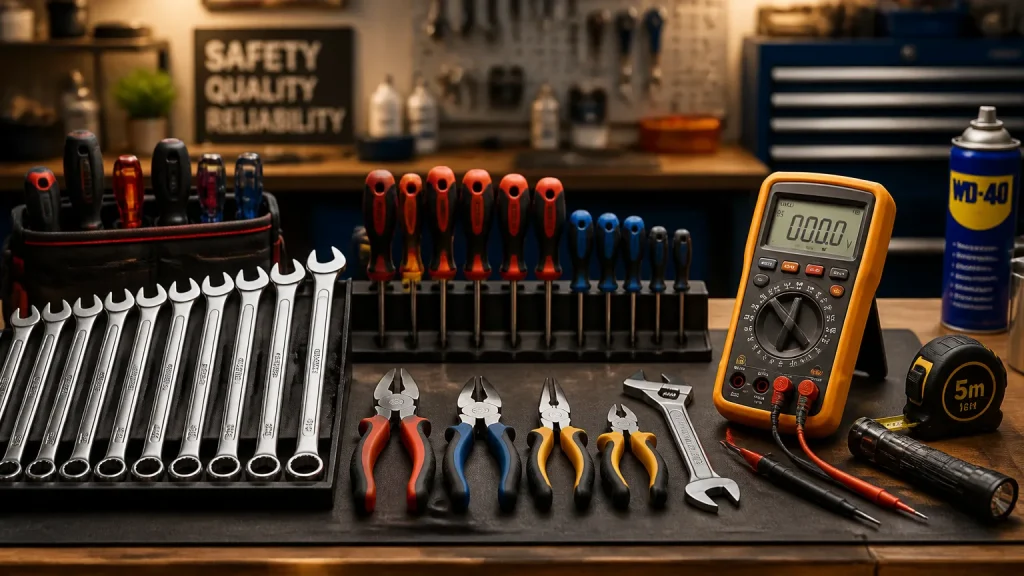
Investing in quality tools not only speeds up repairs but also enhances safety. Properly selected tools reduce the risk of accidents and improve the quality of work. For example, a well-maintained wrench set can save time and ensure precise adjustments.
Moreover, training your team on how to use these tools effectively maximizes their potential. An informed crew can tackle issues quickly, avoiding delays and minimizing downtime. By prioritizing tool selection and training, you lay the groundwork for a more efficient MRO strategy.
4. Developing a Reliable MRO Strategy
Creating a robust MRO strategy starts with preventive maintenance. This proactive approach involves regular inspections and timely servicing of equipment. Scheduling routine checks helps identify potential issues before they escalate, saving time and resources.
Key elements include a detailed maintenance schedule and clear documentation. Track each asset’s performance and maintenance history. This data allows you to pinpoint trends and optimize your maintenance efforts.
Implement regular assessments of equipment performance. Use metrics like downtime, repair frequency, and overall equipment effectiveness (OEE). These assessments provide insights into where improvements are needed.
Incorporate feedback from your team. They are on the front lines and can offer valuable perspectives on equipment performance. Engaging your crew fosters a culture of continuous improvement.
By focusing on these elements, you create a reliable MRO strategy that minimizes downtime and extends equipment life. Your operations will run smoother, leading to increased productivity and reduced costs.
5. Future Trends in MRO
Emerging trends in maintenance repair operations (MRO) are reshaping how contractors and DIYers approach their tasks. Technology integration stands at the forefront. From predictive maintenance software to IoT-enabled devices, these innovations streamline processes and reduce downtime.
For instance, using real-time data allows teams to anticipate equipment failures before they occur. This proactive approach minimizes disruptions and enhances productivity. Contractors who embrace these tools will find their operations more efficient and cost-effective.
Additionally, the rise of mobile apps is transforming MRO management. These applications enable quick access to manuals, inventory, and support. Having information at your fingertips can significantly reduce response times during repairs.
Staying current with these trends is vital. By adapting to technological advancements, contractors and manufacturers can optimize their workflows. For example, understanding how to effectively utilize industrial fans can enhance ventilation and cooling in workspaces. Explore options in our guide, Keep Your Cool: Choosing the Right Industrial Fan for Your Facility.
Overall, embracing technology not only improves MRO processes but also keeps businesses competitive in a fast-evolving landscape.
Conclusion: The Importance of Effective MRO
Effective maintenance repair operations are crucial for maximizing productivity and minimizing downtime. By investing in the right tools and strategies, you set the foundation for smooth operations. Continuous learning and adaptation in MRO practices empower your team to tackle challenges efficiently.
Remember, a proactive approach not only enhances reliability but also extends equipment life. Equip your crew with the latest techniques and foster a culture of improvement. This commitment will ultimately lead to better outcomes and a stronger bottom line. Embrace these principles, and watch your operational efficiency soar.