
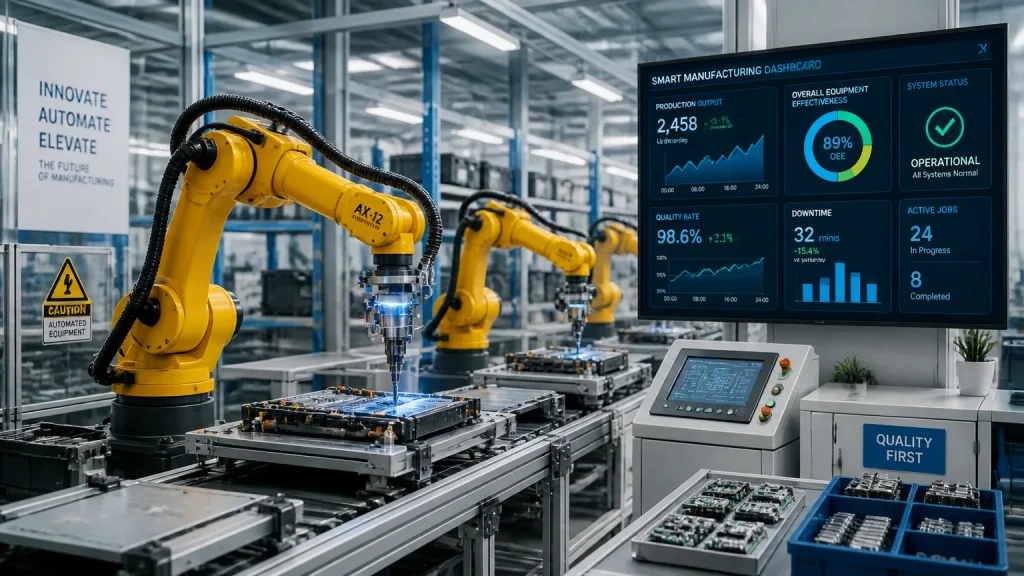
In today’s competitive landscape, innovative supply chain solutions are crucial for modern manufacturing, especially in southern Michigan. As industries evolve, the need for efficiency and adaptability has never been greater. Manufacturers face challenges like fluctuating demand and rising costs, making effective supply chain management essential.
Innovative solutions can significantly enhance productivity. For instance, businesses adopting real-time data analytics can anticipate supply needs more accurately, reducing waste and downtime. Automation technologies streamline operations, allowing teams to focus on high-value tasks rather than repetitive ones.
Moreover, these advancements can lead to substantial cost reductions. By optimizing logistics and inventory management, manufacturers can minimize overhead and improve their bottom line.
As we explore these innovative supply chain solutions, you’ll gain insights into practical applications that can transform your operations. Embracing these strategies not only positions your business for success but also contributes to a more resilient manufacturing ecosystem in southern Michigan.
1. Automation and Robotics in Supply Chains
Automation and robotics are changing the landscape of supply chain solutions in manufacturing. Robots streamline operations by handling repetitive tasks, which significantly reduces human error. This efficiency not only speeds up production but also enhances safety in the workplace.
Integrating automation into logistics allows for real-time data collection. This data is invaluable for making informed decisions about inventory control. For instance, automated systems can predict stock levels and reorder materials before they run out.
Moreover, robotics can optimize warehouse management. Automated guided vehicles (AGVs) transport materials quickly and precisely, freeing up human workers for more complex tasks. This combination of technology and human skill leads to a more effective and responsive supply chain.
By embracing these advanced solutions, manufacturers can improve productivity and remain competitive in a rapidly evolving market.
2. Data Analytics and Real-Time Tracking
Data analytics plays a crucial role in modern supply chain solutions. By leveraging predictive modeling, manufacturers can anticipate trends and adjust their operations accordingly. This foresight minimizes waste and optimizes inventory levels, ensuring that resources align with demand.
Real-time tracking takes this a step further. With precise visibility into the supply chain, businesses can identify delays as they occur. This responsiveness not only mitigates disruptions but also enhances customer satisfaction. When customers receive their orders on time, trust in your brand strengthens.
For example, integrating tools that provide real-time data can streamline processes from order placement to delivery. This seamless flow is essential in today’s fast-paced market, where efficiency is key.
To further streamline operations, consider investing in essential tools. Check out our guide on Power Tools & Accessories: Buying, Using, and Maintaining Job-Site Tools to equip your team effectively.
3. Sustainable Supply Chain Practices
Sustainability is no longer optional; it’s a necessity for modern supply chains. Implementing eco-friendly practices not only helps with compliance but also enhances corporate responsibility. Companies that prioritize sustainability often see an improved public image, attracting customers who value environmental stewardship.
One effective approach is reducing waste throughout the supply chain. This can be achieved by optimizing inventory management and streamlining production processes. For instance, manufacturers can adopt just-in-time strategies to minimize excess stock. Additionally, promoting recycling initiatives within operations can significantly decrease landfill contributions.
Investing in renewable energy sources also plays a crucial role. Utilizing solar or wind energy can lower operational costs while reducing carbon footprints. By adopting these sustainable supply chain solutions, manufacturers not only meet regulatory requirements but also contribute positively to their communities.
4. Collaborative Supply Chain Networks
Collaboration among manufacturers, suppliers, and contractors can drive significant improvements in supply chain solutions. By fostering partnerships, companies can enhance resource sharing, reducing waste and costs. For example, a manufacturer might collaborate with a local supplier to streamline inventory management, ensuring materials are available when needed.
Stronger partnerships also increase resilience and adaptability. When challenges arise, such as unexpected demand or supply disruptions, a collaborative network can quickly pivot and respond. This flexibility not only protects operations but also strengthens the overall supply chain.
Moreover, collaborative networks can spur innovation. When diverse companies work together, they share insights and best practices, leading to creative solutions that improve efficiency. By prioritizing collaboration, manufacturers can create a more robust and dynamic supply chain that meets the demands of modern production.
5. E-commerce and Digital Platforms
E-commerce and digital platforms are revolutionizing supply chain interactions. Online platforms streamline procurement processes, making it easier for manufacturers to source materials and tools. This efficiency reduces lead times and lowers costs, giving businesses a competitive edge.
Moreover, e-commerce enhances market reach. Manufacturers can connect with customers beyond geographic limitations, increasing sales opportunities. This direct engagement fosters better customer relationships and allows for tailored marketing strategies.
For example, digital tools can help track inventory in real time, ensuring timely replenishment. This reduces the risk of stockouts and enhances customer satisfaction. To further optimize your operations, consider reviewing resources like our guide on Corded vs Cordless Power Tools: Which Is Right for the Job Site?. This ensures your team is equipped with the right tools to meet today’s demands seamlessly.
The Future of Supply Chains in Manufacturing
The evolution of supply chain solutions is crucial for manufacturers in southern Michigan. Staying competitive means embracing innovative strategies that enhance efficiency and resilience. By adopting these solutions, you can streamline operations and significantly boost productivity.
As you implement these changes, consider the substantial benefits they bring. A forward-thinking approach not only meets market demands but also fosters a collaborative environment among manufacturers. This synergy drives innovation and improves overall performance.
For additional insights, explore how gear lead times can impact your operations. Understanding these factors can further optimize your supply chain. Check out Why Contractors Choose CEM for Milwaukee Tools (And You Should Too) for more details. Embrace change and position your business for future success.